GPS Tracking Is the New Normal in Smart Living

Remember when GPS tracking seemed like a futuristic technology? Once it was reserved for military operations, or was only within the reach of large logistics companies? It wasn’t that long ago. Even at the dawn of the smartphone era, it would still be years before GPS became a mainstream technology. Today, many consumers will balk if a smart device isn’t location-aware.
This shift in consumer preference is directly tied to the broader trend of smart living. Instead of fearing technology, people now actively embrace the convenience and control that comes with it. And it’s changed our expectations. We now rely on high-definition cameras at our front doors to see who is dropping off a package, and we use connected smart thermostats to monitor and manage our home's climate from anywhere in the world.
With this level of integration in the home, it naturally raises the question. Why shouldn't we have the same level of insight and connectivity for our vehicles? The answer is that more and more people do want that, and won’t settle for less. It’s in this atmosphere that GPS tracking is quickly becoming a standard part of smart living, and this article looks at how the technology works, where it now shows up in daily life, and why it has become essential for vehicles.
The Rise of Smart Living
Smart living, which is the adoption of connected tools designed to simplify, safeguard, and streamline our daily lives, is no longer solely the domain of the wealthy or the tech-inclined. As each year goes by, it is quickly becoming the new normal of living. The technology has become cheaper and more democratized, and more people embrace it, whether through smartphones, wearable health monitors, or the broader smart home ecosystem.
Of course, modern consumers are significantly more tech-aware than previous generations, and that has played a large part in the normalization of smart living. As a result, the average adult today wants more transparency from the products they buy. On the whole, we no longer tolerate a lack of visibility or transparency.
You can see this play out in everyday life when we check our phones to confirm we locked the front door before leaving home. When you leave a store, you no longer get lost in the parking lot looking for your car, because GPS helped your phone mark its location. If someone asks how many steps you got in today, a stat that only the most health-conscious would have known just a few years ago, you can likely tell them.
Where GPS Tracking Is Now Commonplace
The expectation for instant data is the ultimate evidence that smart living has become the norm. More often than not, the common thread between the tech that powers smart living is location data. That means, whether we realize it or not, everyday GPS use is so deeply ingrained in our routines that we often forget we are even using it.
Just think of where you will find GPS tracking in everyday life:
- Cars: GPS can provide real-time location data, help ensure safer driving, and features like geofencing help monitor our vehicles, much like other modern technologies.
- Family safety devices: The market is filled with specialized safety wearables and devices designed to keep vulnerable family members secure and easily locatable.
- Delivery tracking: We rely on live tracking maps to monitor our hot food deliveries, valuable online packages, and the exact locations of our ride-sharing drivers.
- Fitness and outdoor gear: Enthusiasts who use cycling computers, hiking devices, and running apps depend heavily on satellite data to map their routes and track their progress.
This list just scratches the surface. Location awareness, and therefore GPS tracking, is so commonplace that it now seems almost an inconvenience when it’s not available.
How GPS Tracking Works
For something so common, GPS tracking is easy to take for granted, yet the technology behind it is quite clever. GPS stands for Global Positioning System, a network of satellites that orbit the Earth and constantly broadcast signals. A GPS tracker listens for those signals and measures how long each one takes to arrive. By comparing the timing from several satellites at once, the device can pinpoint its position, a process known as trilateration.
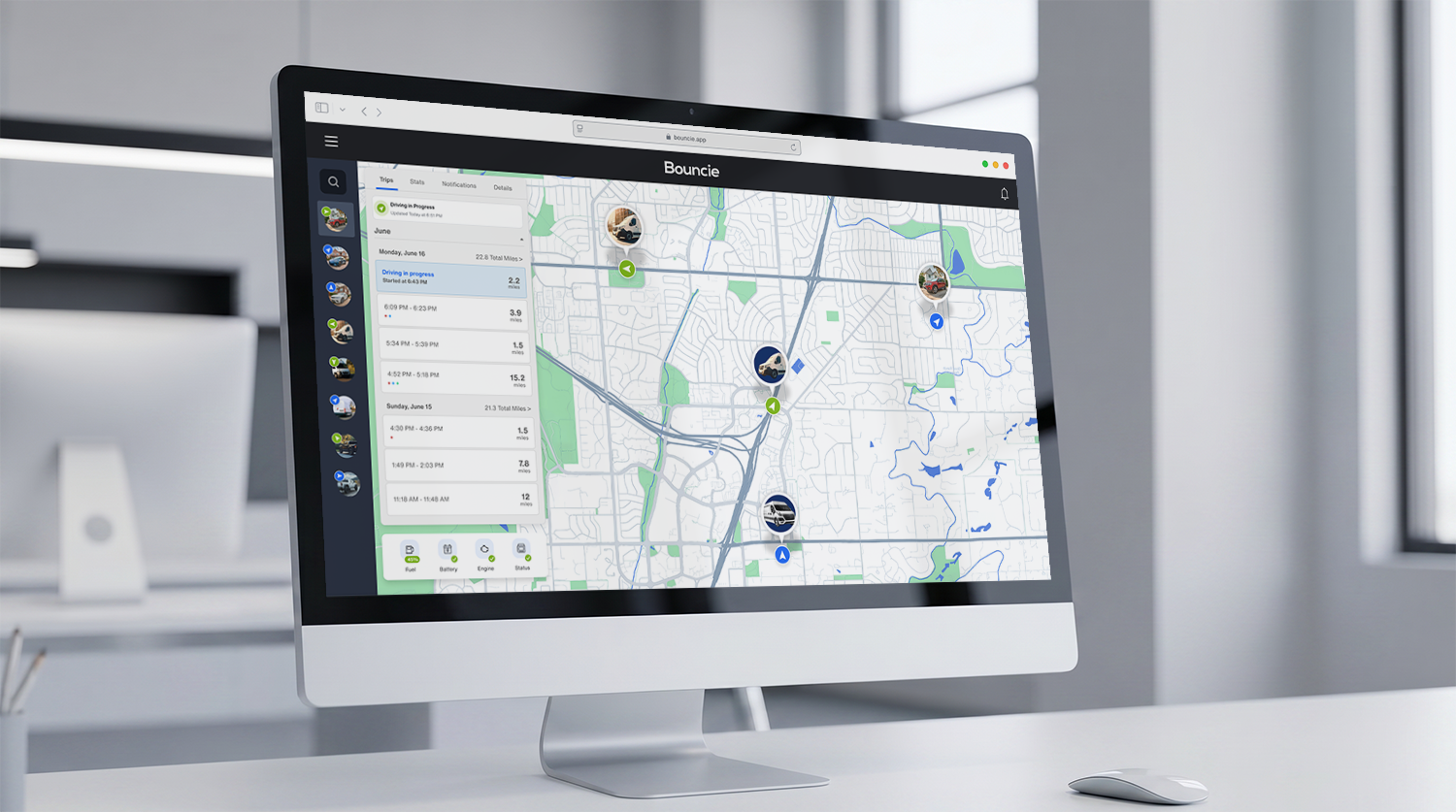
Location alone is only half the story. Once a tracker knows where it is, it needs a way to share that information. Most modern trackers use a cellular connection, the same type of network your phone relies on, to send location data to a companion app in near real time. That is why you can open an app and see where a vehicle is right now rather than waiting to review a route after the fact.
The best GPS tracking devices go a step further. Rather than reporting location on its own, they add context such as speed, trip history, and vehicle health, turning raw coordinates into information you can put to work.
What Are Your GPS Tracking Options
If you decide you want GPS tracking for your vehicle, you will quickly find there is more than one way to get it. Most options fall into three broad categories, and each one suits a different need.
- Phone-based location sharing: Apps that share a person's location through their smartphone. They are free and familiar, but they only work when the phone is present, charged, and switched on, so they tell you where a person is rather than where a vehicle is.
- Standalone battery-powered trackers: Small self-contained devices you can place in or on a vehicle. They offer flexibility, though they need recharging or battery swaps, and that upkeep can interrupt coverage.
- OBD-II plug-in trackers: Devices that plug into the diagnostic port found in most cars built in 1996 or later. They draw power from the vehicle itself, so there is nothing to charge, and because they connect to the car's computer they can report vehicle health alongside location.
For everyday drivers and families, the plug-in approach tends to strike the best balance. It stays with the vehicle, needs no installation or wiring, and delivers the kind of continuous, always-on data that makes GPS tracking useful rather than occasional.
The Benefits of Embracing GPS Tracking in Everyday Life
Where possible, people actively integrate GPS tracking into their daily routines because the benefits are often immediate.
Think about how much easier it is to coordinate with family members or co-workers when everyone’s carrying GPS-enabled tech. You can skip the texts asking "Where are you?" or "When will you be home?" because you can see their locations and accurate ETAs.
Consider the peace of mind that comes with GPS tracking. Geofencing can notify you the moment a teenager's car leaves the driveway, and driving behavior alerts can flag events like hard braking or speeding as they happen.
If one of your vehicles is stolen, you can help law enforcement recover it by showing them its real-time location. The common thread across these examples is control, because GPS tracking replaces guesswork with answers you can act on in the moment.
Why Vehicle GPS Tracking Is Now Essential
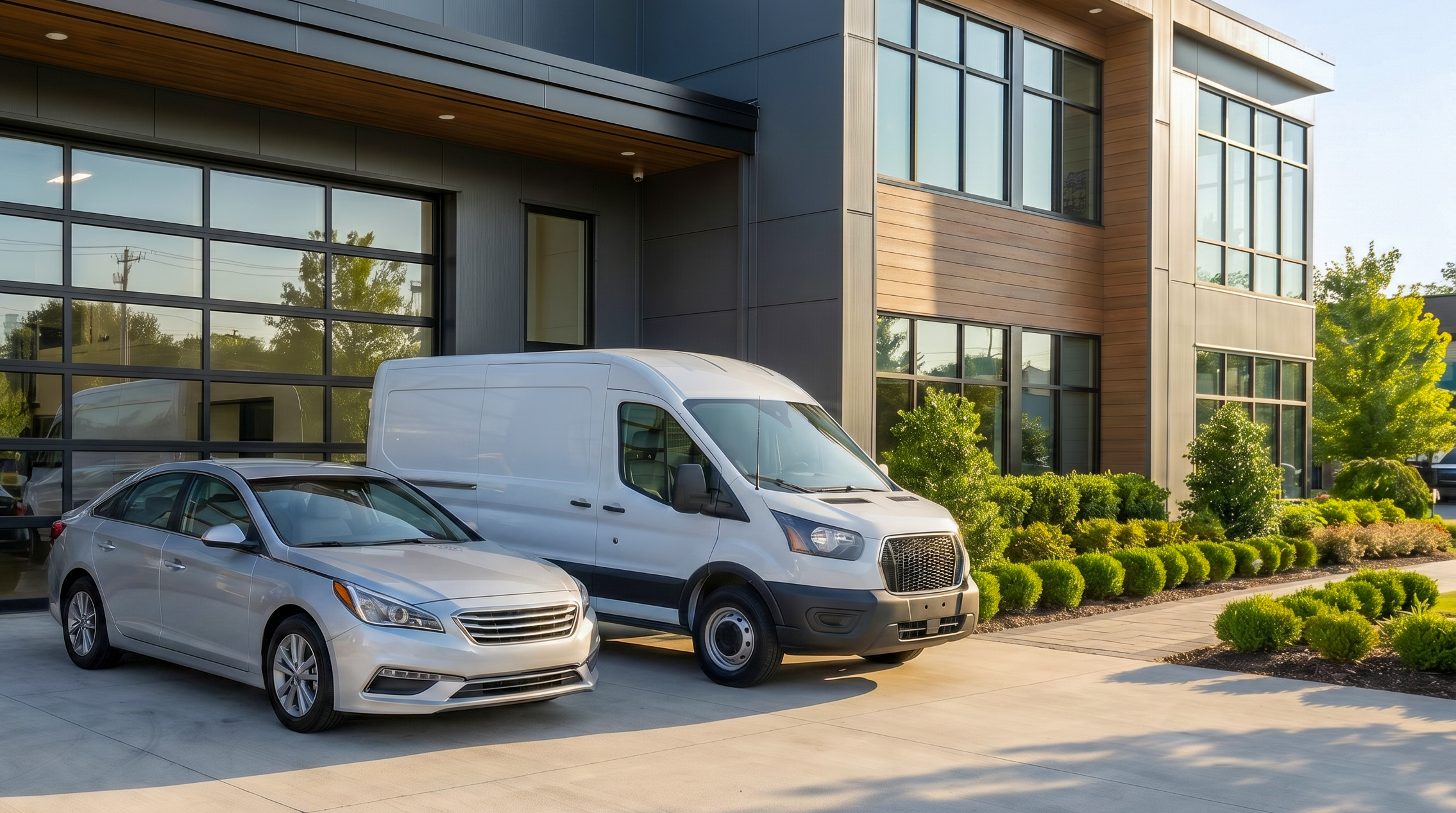
Nowhere is a lack of GPS tracking more evident than when it’s not in our cars. Smart vehicle tracking was once a niche feature found only in luxury or business-focused models. Today, it’s seen as an essential safety and management tool for a wide variety of users.
It’s easy to see why. For families, GPS tracking can be used to ensure the safety of inexperienced teen drivers or to monitor the driving habits of elderly parents. A dedicated GPS tracker is one of the most effective ways to protect both your car and the people who drive it, combining real-time location tracking, driving behavior monitoring, and engine health notifications in a single device.
And it’s impossible to imagine the gig economy without GPS tracking. Ride-sharing involves GPS at nearly every step, from choosing your destination to the pickup, the drive itself, and more. Entrepreneurs who rent out their vehicles on car-sharing platforms rely heavily on GPS tools to verify locations and ensure renters remain compliant during the trip.
The Role of Bouncie in the Smart Living Ecosystem
If your car lacks GPS or only has a basic, OEM-supplied navigation system, you know it creates a large gap in the smart living ecosystem. This is the problem Bouncie was designed to solve. As an easy-to-install GPS tracking device paired with a fun and intuitive app, Bouncie aligns perfectly with the modern smart lifestyle.
A big part of what makes Bouncie stand out from other vehicle tracking systems is its focus on accessibility. The Bouncie mobile app takes complex automotive data and makes it incredibly easy to understand and use, especially for non-technical users. Whereas other connected car tools have steep learning curves and onerous installation requirements, Bouncie simply plugs into a standard port typically located on your driver’s side floorboard. Activate it in the app, and Bouncie is ready to go.
Whether you are looking for peace of mind for your family or need to manage a fleet on platforms like Turo, the system is built to scale with your specific smart living needs.
GPS Tracking as a Lifestyle Standard
We use data to secure our homes, manage our health, and organize our schedules. Smart living is the new normal, and vehicles are a big part of everyday life. If you don’t have GPS tracking for your vehicles, now’s the time to remedy that.
Fortunately, GPS in your cars doesn’t have to be complicated, expensive, or a surveillance tool. Bouncie is about empowerment and creating safer, more connected experiences. To take control over the one part of your life that may not have joined the smart living revolution yet, learn more about the Bouncie GPS tracker.
GPS Tracking FAQs
Want to know more about GPS tracking and how it plays a role in smart living? Here are answers to the questions people often have:
Is GPS tracking only for fleets or large businesses?
No, GPS tracking is suitable for individuals and families, too. While logistics companies were early adopters of the technology, many devices today are designed with consumers in mind.
Does GPS tracking work when the vehicle is off?
Yes, depending on the device. High-quality OBD-II trackers like Bouncie enter a low-power mode and continue to monitor your vehicle's location even when the ignition is turned off.
What’s the difference between phone-based location sharing and a real tracker?
Phone-based GPS solutions rely on some assumptions. The driver must have their phone turned on, charged, and in the car. Unfortunately, these are things you can’t always count on. A real, dedicated vehicle tracker is physically connected to the car itself, so it’s always ready to track and provide real-time data.
Is GPS tracking legal for personal use?
Yes, it is entirely legal to install a tracker on a vehicle that you own. If you are tracking a vehicle driven by someone else, such as an employee or a renter, it is best practice (and often a legal requirement depending on your jurisdiction) to ensure they are aware the vehicle is being monitored.
How hard is it to set up a tracker like Bouncie?
It is incredibly simple. Because Bouncie uses a plug-in OBD-II design, there are no wires to cut and no mechanics required. You simply locate the port under your steering wheel, plug the device in, download the app, and you're live in a matter of minutes.