From Chaos to Clarity: How a Fleet Tracking System Streamlines Operations

If you own a small or medium-sized service business, or you serve in a leadership role, you must be cost-conscious. It takes a lot to maintain your small fleet of vehicles, market the business, and make payroll on time. You strive to maintain a lean, profitable operation. While this is the right approach, it can also be a trap. In an effort to control costs and protect margins, you may convince yourself that you do not need a system to manage your fleet of drivers and technicians.
But then you have too many days where the phone rings nonstop with customers asking where their technician is. It becomes normal for you to have three other vehicles on the road, and you aren't entirely sure where any of them are at any given moment. You are forced to search through spreadsheets, make repeated phone calls, and rely on guesswork.
These inefficiencies are exactly why a fleet tracking system is essential. A fleet tracking system is a GPS-enabled software and hardware solution that gives fleet managers real-time visibility into vehicle location, trip activity, driver behavior, and vehicle health. For small and mid-sized service businesses, it replaces guesswork with data and turns daily operations into a controlled, measurable process.
The Cost of Operating Without a Fleet Tracking System
To understand how a fleet tracking system can deliver measurable ROI, you must first understand the operational inefficiencies and hidden costs created by manual fleet oversight.
With a manual approach, day-to-day operations rely on constant coordination and fragmented communication. While this might work with one or two vehicles in your fleet, it quickly becomes untenable as you add more customers and drivers. At peak times, your fleet operations may be better described as controlled chaos. This results in four distinct, profit-draining problems:
- The visibility void: The most significant downside to manual management is not knowing where your vehicles and drivers are. Without fleet visibility tools, you can't manage your team effectively or provide customers with accurate ETAs.
- Inefficient routing: Without hard data on the routes your team takes, you can't optimize your operations. Drivers might be taking the scenic route or sitting in avoidable traffic. Without constant visibility, there's also the risk of unauthorized personal trips after hours.
- Communication bottlenecks: How much time do your dispatchers or office staff spend tracking down drivers? Manual coordination adds massive overhead costs to daily operations.
- The blame game: When a customer claims a driver was late but they say they were on time, how do you get to the truth? Without objective data, you get stuck in a blame game that ultimately damages customer trust and degrades employee morale.
What Is a Fleet Tracking System and How Does It Work?
A fleet tracking system reduces operational chaos by replacing manual coordination with automated, real-time vehicle visibility and performance data. While fleet management software may include accounting tools, maintenance scheduling, and HR functions, a fleet tracking system specifically focuses on real-time vehicle visibility, trip data, driver monitoring, and operational insights powered by GPS technology.
Below are the core components of a fleet tracking system and how each one directly improves operational efficiency:
Real-Time GPS Visibility
Vehicle tracking solutions are built on GPS tracking technology, so you always know exactly where every vehicle in your fleet is at any given moment. With real-time location data, you can be sure you always dispatch the nearest driver to an emergency service call.
Trip History and Route Optimization
Fleet tracking systems don't just report locations. They also log historical data, including start and end times, routes traveled, and total trip duration in hours and/or minutes. With this information in hand, you can identify inefficiency patterns and coach drivers on more efficient routes that save time and fuel.
Driving Behavior Monitoring
In addition to real-time location tracking, some fleet operations software can also monitor driving habits and alert you to risky behaviors, such as excessive speeding or harsh braking. Driving behavior monitoring features help improve safety and reduce insurance liabilities.
Vehicle Health and Maintenance Tracking
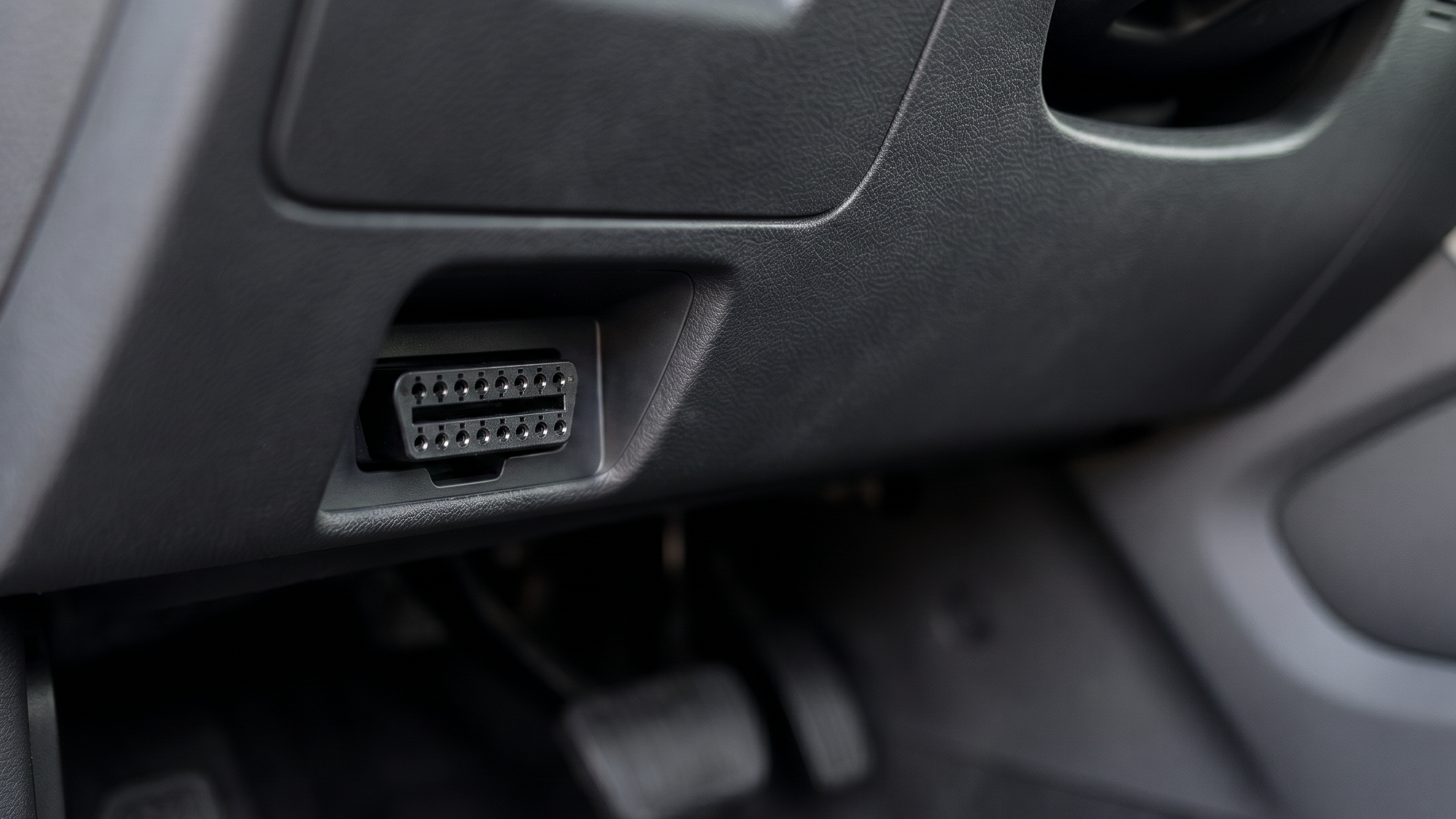
The best GPS fleet tracking systems today can connect to the vehicle's onboard computer to monitor diagnostic trouble codes (DTCs) and engine health data. Instead of waiting for a breakdown, you can get notified immediately when a vehicle needs attention.
Key Benefits for Fleet Managers and Operators
The features above generate measurable operational outcomes. Here is how a fleet tracking system translates those capabilities into tangible business benefits.
Lower Fuel and Maintenance Costs
Fuel and maintenance are typically the two largest variable expenses for most fleets. By optimizing routes to reduce mileage, cutting down on excessive idling, and curbing aggressive driving behaviors (which burn fuel faster), you will see an immediate impact on your fuel spend. On top of that, proactive maintenance alerts help you address small issues before they become expensive, catastrophic repairs.
Better Resource Allocation and Scheduling
When a new job is scheduled, determining the most appropriate driver can be challenging. Without a tracking system, you might send the driver who answers their phone first. With GPS fleet tracking, you send the driver closest to the job with the right vehicle. This maximizes the number of jobs your team can complete in a day.
Improved Driver Accountability and Training
Improving accountability depends on how leadership implements and communicates the system. Rather than "punishing" drivers for lapses in judgment they make on the road, use monitoring data to coach them toward better habits. Over time, accountability naturally improves, and a new culture emerges, focused on safer driving and fewer unauthorized stops.
Enhanced Reporting for Clients and Stakeholders
Data provides proof of service. If a client disputes billing hours, you have an immutable record of exactly when your vehicle arrived at and departed from their location. This level of transparency builds immense trust with clients and simplifies audits.
Who Benefits Most from a Fleet Tracking System?
One of the main reasons small service-based businesses don't consider vehicle tracking solutions is that telematics systems have long been associated with large enterprise fleets. But with the democratization of technology, small fleet management is now an affordable reality.
Here's a look at how various industries and applications can benefit from fleet visibility tools:
- Trade services: HVAC technicians, plumbers, electricians, and roofers. Knowing when techs arrive at job sites and optimizing travel between calls is critical for profitability.
- Landscaping and lawn care: Managing landscaping crews across multiple properties daily requires tight coordination to ensure routes are efficient and crews are on-site when scheduled.
- Delivery and courier services: In the age of eCommerce, customers expect accurate delivery windows. Real-time tracking is essential for meeting these expectations.
- Healthcare services: Home health aides and medical transport services rely on tracking to ensure patient safety, accurate scheduling, and compliance with Medicaid/Medicare reporting requirements.
- Car rental and dealership loaners: Protecting inventory and ensuring vehicles remain within authorized areas is vital for these business models.
How to Choose the Right Fleet Tracking System for Your Business
When evaluating fleet tracking system providers, small and mid-sized businesses often face an overwhelming number of options with varying features, pricing models, and contract terms. To make an informed decision, focus on features that directly improve operational efficiency, reduce costs, and provide measurable ROI.
When comparing providers, evaluate each fleet tracking system against the following requirements:
A fast data refresh rate: A "real-time" map isn't real-time if it only updates every five minutes. Look for systems with fast refresh rates (like Bouncie's 15-second updates while driving) to ensure the data you're viewing is up to date.
Intuitive mobile and desktop access: Fleet management doesn't just happen at a desk. You need a clean, easy-to-use mobile interface that lets you manage operations from the road, alongside a robust desktop view for deeper analysis.
Customization features: Look for tools that let you tailor the system to your needs. This includes setting up custom geofences, creating role-based access for different managers, and filtering trips by tags.
Transparent pricing and business integrations: Beware of long-term contracts, hidden hardware fees, and systems that cannot integrate with your dispatch, accounting, or maintenance software. Look for transparent subscription models. Furthermore, consider if the system can connect with tools you already use via APIs or integrations with platforms like Zapier or Fleetio.
How Bouncie Streamlines Day-to-Day Operations
Some business owners, fleet managers, and operations directors know that a fleet management system would be a massive benefit, but they still hesitate.
They have concerns about complex installation processes and expensive long-term contracts. They worry that the learning curve will be so steep that they might not end up using GPS fleet tracking to its full potential. But out of all the available vehicle tracking solutions, Bouncie was designed with these concerns in mind.
Bouncie is designed specifically for small and mid-sized service fleets that need immediate operational visibility without enterprise complexity or long-term contracts.
Here's how Bouncie is built to streamline your daily operations from day one:
Quick and easy setup: Bouncie eliminates the need for professional installation teams or vehicle downtime. This compact device plugs into the OBD2 port underneath the dashboard of almost any vehicle manufactured since 1996. You can equip an entire fleet in minutes, not days.
Live tracking with instant visibility: The Bouncie dashboard, accessible on desktop computers or via its intuitive mobile app, provides an immediate overview of your entire fleet. You can see where each vehicle is and whether it is parked, driving, or idling.
Coordinating the Moving Parts: Bouncie helps teams coordinate drop-offs and deliveries with precision. Dispatchers can provide customers with accurate ETAs based on real-time location, not guesses.
Automated accountability: With Bouncie features like Geo-Zones, you receive automatic alerts when vehicles enter or exit key locations: the company depot, job sites, or wherever you like. This automates timekeeping and verifies presence without needing a phone call.
FAQs: Common Questions About Fleet Tracking Systems
Still have some questions about vehicle tracking solutions and fleet visibility tools? Here are answers to some of the most common concerns small and medium-sized service-based businesses have when they enter the world of GPS fleet tracking.
How many vehicles can be tracked in one account?
Modern fleet tracking systems are designed to scale alongside your business. With Bouncie, you can start with a few vehicles and expand to dozens or hundreds without changing platforms. This scalability allows growing service businesses to standardize operations early and maintain control as fleet size increases.
Can you receive a notification when a particular vehicle arrives at or leaves a specific site?
This feature is generally known as geofencing. Bouncie implements this with its Geo-Zones feature. Geo-Zones allow you to define boundaries on a digital map around specific addresses, such as customer sites or your home office, and receive instant notifications when a vehicle arrives at or leaves them.
Can I generate reports for business mileage or driver performance?
Yes, reporting is one of the hallmark features of top-tier fleet operations software. You can export trip histories for mileage tax deductions and review driving scorecards to analyze speeds, braking habits, and other performance metrics.
What's the installation process like?
The installation process for various vehicle tracking solutions can vary. Ultimately, it depends on the provider and the specific products. The systems geared toward enterprise fleets typically require hardwiring behind the dashboard by a professional. Bouncie, however, uses a plug-and-play OBD2 device that anyone can install in seconds, with no tools required.
Is the tracking still active when the engine is off?
In most cases, tracking remains active, but the device shifts into a lower-power reporting mode. When parked, the device typically enters a low-power sleep mode but still reports its location periodically. Bouncie, for example, will update its location less frequently while the vehicle is parked to ensure you always know where the asset is, without draining the vehicle battery.
How a Fleet Tracking System Brings Order to Your Operations
Running a business requiring multiple vehicles doesn't have to be chaotic. A fleet tracking system eliminates the guesswork that slows down operations, reduces accountability, and increases operating costs. By centralizing vehicle visibility, trip data, and driver insights, it allows fleet managers to streamline workflows and make data-driven decisions every day. With centralized vehicle visibility, automated reporting, and proactive maintenance alerts, fleet managers gain control over scheduling, costs, and accountability across the organization.
Bouncie offers a scalable fleet tracking system designed specifically for growing service fleets that need visibility without enterprise-level complexity. It strips away the complexity and high costs associated with traditional telematics, providing you with the tools you need to streamline operations immediately.
Do not let operational chaos limit your growth. Implement a fleet tracking system built for service fleets and start reducing fuel waste, improving response times, and increasing operational control with real-time visibility and actionable data. Learn how Bouncie can support your fleet today.