GPS Tracking for School Vehicles: Enhancing Accountability and Safety
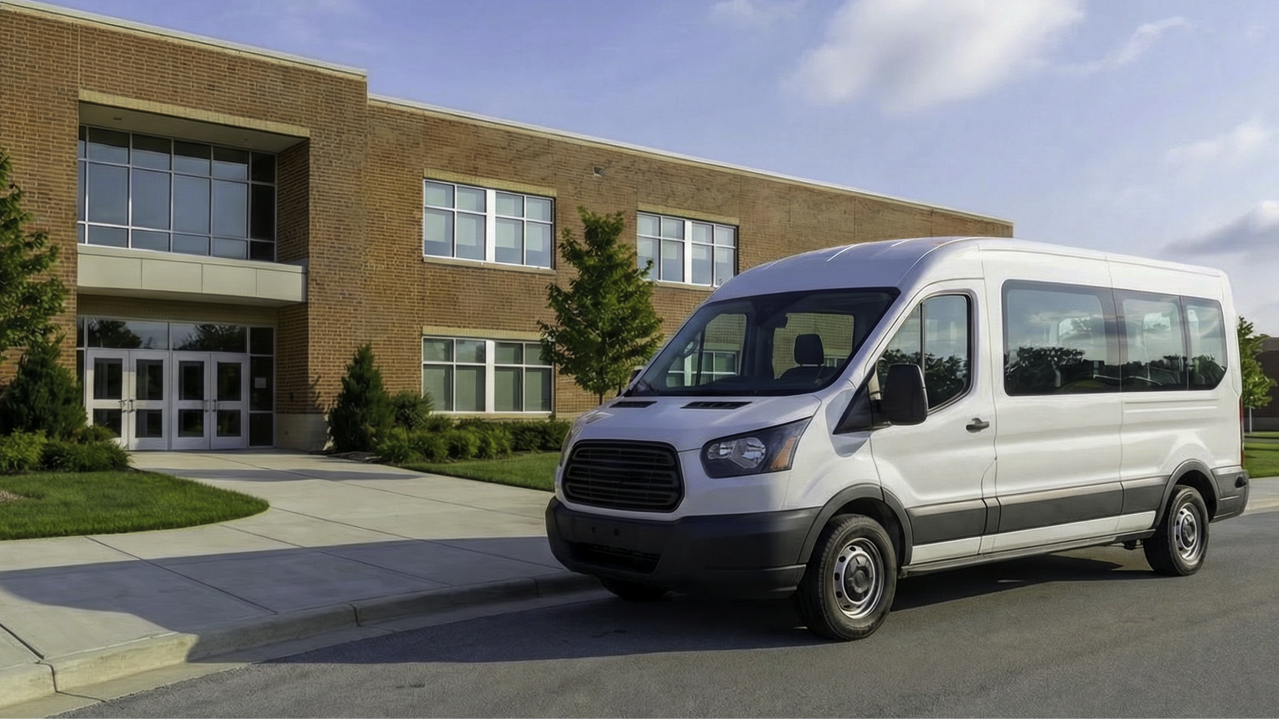
Most people think the school day begins when the first bell rings. If you are a school administrator or transportation director, you know that responsibility starts the moment a student steps into one of your school vehicles, whether that is a passenger van, an activity vehicle, or a dedicated transport for students with special needs. The reason why is simple: that's the moment your school district becomes responsible for student safety.
GPS tracking for school vehicles has become one of the most practical tools school districts can deploy to meet parent expectations, improve operational visibility, and demonstrate a clear commitment to student safety.
With the right platform, school vehicle GPS tracking can provide continuous, real-time location visibility and a host of data-driven insights that verify your school actively protects its most precious cargo. GPS fleet tracking for schools can finally replace phone tag, manual log management, and disconnected spreadsheets with a single real-time view of every vehicle in your fleet. It is not about keeping a watchful eye on school vehicles. It is about enhancing safety, streamlining operations, and fostering trust with your community.
Why GPS Tracking Matters for School Vehicles
The growing adoption of GPS tracking for school fleets is primarily driven by one concern: student safety. When a vehicle is late or takes an unexpected turn, anxiety spreads quickly from the administration building to parents, and without real-time data, there is no easy way to provide reassurance.
But with school vehicle GPS tracking, administrators can verify that every vehicle is on its designated route and that students are being picked up and dropped off at the correct locations. In the event of a mechanical failure or a minor collision, GPS data lets the home office know exactly where the vehicle is, with no phone chase required even in a stressful situation.
With every vehicle visible on a single digital map, transportation coordinators can spot delays before they affect pickups, activity schedules, or maintenance runs. If a van is caught in traffic, staff can see it in real time and make alternative arrangements immediately.
In the event of a serious emergency, GPS tracking for school vehicles provides first responders with the vehicle's exact coordinates. Rather than describing a location as "somewhere near the old mill on Route 9," dispatchers can share the exact coordinates, shaving off critical minutes from response times.
Key Challenges GPS Tracking Helps School Transportation Teams Solve
Another reason leaders are interested in GPS and school vehicle safety technology is that they need help with the complexities of modern transportation management. Increasingly challenging issues include:
- Complex scheduling: Districts often coordinate multiple vehicle runs daily across student transport, activity trips, and maintenance operations. Ensuring every driver follows the most efficient path, with accurate records to back it up, is a significant administrative burden.
- Traffic and delays: Traffic today is unpredictable. Construction, weather, and accidents can turn a 20-minute route into a 45-minute ordeal, leading to frustrated parents and late students.
- Communication gaps: When a parent calls about a late vehicle, staff often have to track down the driver by phone, wait for a callback, and then relay information manually. This back-and-forth is slow, inconsistent, and erodes parent trust over time.
- Budget and fuel constraints: With rising fuel costs and limited educational budgets, school districts are under pressure to do more with less. Idling engines and inefficient routes represent a direct drain on resources that could be better used in the classroom.
Core Features of GPS Tracking for School Fleets
GPS fleet tracking for schools helps solve these and other challenges with high-tech features designed specifically for the rigors of daily transport, such as:
Real-Time Vehicle Location Monitoring
School vehicle GPS tracking systems offer location updates in seconds, not minutes or hours. This live view ensures that the map on the administrator's screen reflects reality, not where the vehicle was five minutes ago.
Route History
If a parent reports that a vehicle missed a stop or took an unexpected route, administrators can use route history to review the trip. The trip history feature of many modern systems allows them to see exactly where the vehicle traveled, where it stopped, and how long it stayed at each location, providing an objective record of the event.
Idle Time Monitoring
Every minute a vehicle sits idling in a parking area, at a pickup location, or between scheduled runs, it burns fuel and increases engine wear. Monitoring idle time helps districts identify habits that contribute to fuel waste and environmental impact.
Geo-Zones for Critical Areas
With the system's included software, you can draw virtual boundaries (known as Geo-Zones) around important locations. This might include your school campuses, regular pickup locations, maintenance facilities, or high-traffic areas that cause concern. When a vehicle enters or exits a Geo-Zone, the system automatically sends a notification to confirm arrivals and departures.
Driver Behavior Monitoring
Safety is not just about where a vehicle is. How it is being driven is equally important. School vehicle safety technology can monitor driver behaviors and track events such as hard braking, rapid acceleration, and speeding. You can use this objective data to coach drivers to safer habits.
How GPS Tracking for School Vehicles Improves Accountability and Transparency
We live in a world where you can track the delivery progress of everything from packages to pizzas. When parents want to know why their kids haven't made it home, 'The vehicle might be a little delayed' won't cut it. They need specifics, and GPS tracking for school vehicles provides them with the transparency they expect.
GPS data is also valuable when disputes arise between parents, drivers, or administrators. By documenting every route, arrival time, and vehicle location in the GPS system, you have the objective, time-stamped records required to resolve those disputes quickly and fairly.
If there is a question about a vehicle's speed in a residential neighborhood or its arrival time at a specific location, the GPS log serves as the source of truth. This data also helps maintain compliance with regulations and audit requirements, ensuring that the district meets state and federal mandates for student transport.
Enhancing Student and Driver Safety with School Vehicle GPS Tracking
Among all the benefits GPS tracking delivers, enhanced safety for students and drivers remains the most important outcome. Here is how these systems make that happen:
- Identifying risks: By using driving behavior reports, transportation managers can pinpoint the drivers who may need extra training in smooth braking or speed management.
- Reducing distractions: Knowing that their driving habits are being monitored encourages drivers to stay focused, reducing the risk of distracted-driving incidents.
- Sending alerts: Some advanced GPS devices can detect crashes or other significant impacts. If an accident occurs, the system can instantly alert the school office, even if the driver is unable to call for help.
Operational and Financial Benefits for School Fleets
Beyond safety, GPS tracking for school vehicles delivers measurable operational and financial benefits. For budget-conscious districts, these advantages can be just as compelling as the safety gains:
- Fuel efficiency: By analyzing route data, districts can identify deadhead miles, meaning miles driven without students or cargo, and optimize paths to reduce total fuel consumption and mileage.
- Extended vehicle lifespan: Proactive maintenance monitoring (using engine diagnostic codes pulled from the GPS device) allows mechanics to catch small engine issues before they lead to expensive breakdowns.
- Lower liability: Documented trip data is a powerful tool in insurance claims. Having proof of speed and location can protect the district from false claims and potentially lower insurance premiums over time. Plus, some carriers offer discounts on insurance premiums to districts that use GPS systems.
What to Consider Before Implementing GPS Tracking
Adopting GPS tracking for school vehicles requires more than selecting a device and plugging it in. Before rollout, districts should anticipate and plan for several common implementation challenges.
These show-stoppers can vary by district, but a common issue is that drivers may be wary of tracking systems. It is important to frame the technology as a safety tool that protects drivers from false accusations and provides support in emergencies.
Along the same lines, there will be concerns about data privacy. Ensure the chosen platform complies with tracking and surveillance laws and regulations in your area. In all jurisdictions, access to live tracking should be restricted to authorized personnel to maintain security.
Many districts find success by starting with a small group of vehicles before expanding across the entire fleet. These phased rollouts allow you to collect feedback along the way and make adjustments to your implementation plan.
Finally, invest in training for everyone who will use the system. Transportation coordinators and administrators should be comfortable navigating the platform, pulling trip reports, and configuring alerts before the full fleet goes live.
Why Bouncie Is a Smart Choice for School Fleets
Many GPS tracking products claim to be built for school fleets. In practice, most are enterprise systems designed for organizations with dedicated IT teams and large implementation budgets. Bouncie is different. It is the only platform specifically suited to the way smaller school districts actually operate, simple enough for any staff member to use yet reliable and capable enough to meet the demands of daily fleet management.
Unlike enterprise systems that require professional hardwired installations, Bouncie plugs directly into the OBD-II port found on virtually all passenger vehicles, vans, and SUVs made in the past 30 years. This makes it a natural fit for the smaller school vehicles most districts already operate, with no specialized installer, no downtime, and no complicated setup required.
Enterprise-grade tracking systems tend to come with powerful, yet complicated, software. The Bouncie app and web portal are designed for clarity. You don't need a degree in data science to understand your fleet’s movement or review driving habits.
Whereas other systems lock you into rigid contracts that make it challenging to scale your GPS footprint up or down, you can add or remove Bouncie with no long-term commitment. There are no hidden fees in the transparent Bouncie pricing model, so your school district can invest in student safety in a way that fits your budget.
FAQs About GPS Tracking for School Vehicles
As you investigate GPS tracking for school vehicles, you may have questions that aren't covered in the marketing materials. Here are answers to the issues school administrators and fleet managers often have:
Is GPS tracking legal for school vehicles?
Yes. In fact, some states and local jurisdictions either require or strongly encourage GPS tracking for school vehicles in the interest of student safety and public accountability.
Can parents access school vehicle location information?
Many districts choose to share limited, real-time data with parents via specialized apps. While Bouncie provides the data, districts can manage how and with whom that information is shared, thanks to Bouncie's open API and native integrations with other software.
How accurate is school vehicle GPS tracking?
Bouncie provides highly accurate location data, typically within a few meters, with a customizable update frequency.
Does GPS tracking work when a vehicle is turned off?
Bouncie stays connected to the vehicle's power through the OBD-II port. While it primarily tracks active trips, it can still provide status updates and location updates when the engine is off.
How quickly can GPS tracking be implemented?
Some systems may take months to implement. Because Bouncie plugs directly into the OBD-II port on your passenger vans, SUVs, and other school vehicles, a fleet can be fully equipped as quickly as you can install the devices and activate them in the Bouncie app with no technician required.
Does GPS tracking work for school vehicles other than large buses?
Yes, and in fact GPS tracking for school vehicles is especially well suited to the passenger vans, SUVs, activity vehicles, and maintenance trucks that make up most school district fleets. Bouncie's OBD-II plug-in device is compatible with virtually all of these vehicle types, giving districts consistent tracking coverage across every vehicle they operate.
Safer Routes, Smarter Oversight
For school districts of every size, GPS tracking for school vehicles has become an essential part of safe, accountable, and efficient transportation management, whether your fleet includes student transport vans, activity vehicles, or maintenance trucks. Using real-time and historical data from their tracking system, school districts can optimize operations to prioritize safety, transparency, and fiscal responsibility.
If you are a school administrator, transportation director, or fleet manager and your district has not yet implemented GPS tracking for school vehicles, Bouncie is the logical next step. It is the most scalable solution available for districts of any size, powerful enough to manage a full fleet and simple enough that your team can be up and running the same day. Read more about Bouncie for Fleets today.