Electrician Fleet Tracking for Inspection Windows, Emergency Calls and Apprentice Vans
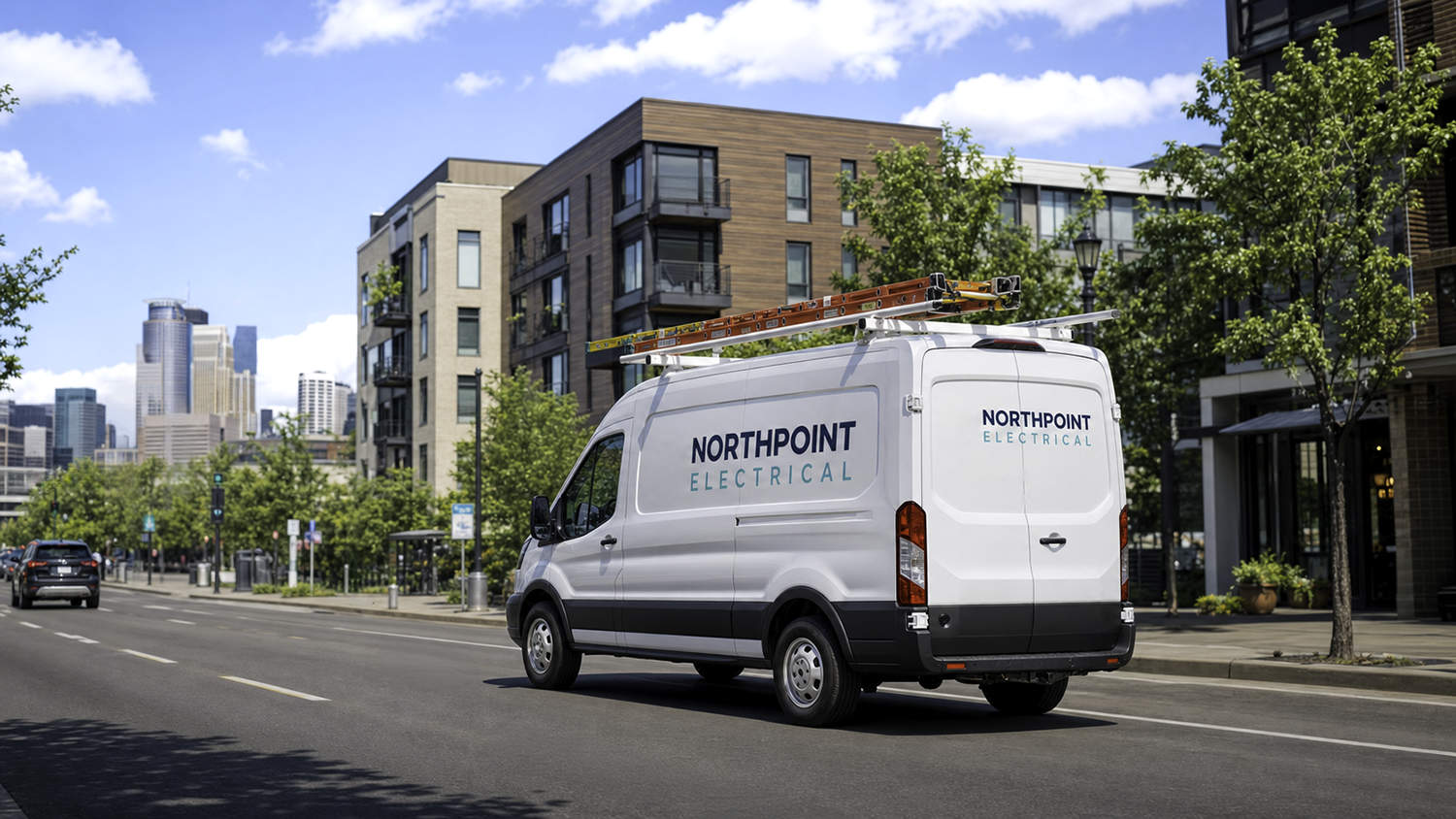
Electrical work is growing faster than the crews available to do it. The US Bureau of Labor Statistics projects employment of electricians to grow 9 percent from 2025 to 2035, with about 72,700 openings each year, many of them created as experienced electricians retire or leave the trade.
How a Day of Electrical Work Gets Away From You
That growth adds pressure to crews already stretched thin. As a shop owner or service manager at an electrical contractor, you might spend an average day juggling an inspection with an immovable time window, a no-power emergency at a commercial site, and a rough-in that must pass before the drywall goes up. They’re all high priority, and they’ve all got to get done on time.
A missed job means lost revenue and a damaged reputation. To manage these competing priorities, you need to know where each service van is at any given moment and adjust the schedule on the fly. However, managing by phone calls and text messages takes time that you don’t have.
Electrician fleet tracking brings order to that chaos by showing where every service van and pickup is, where it has been, and how it is being driven. This guide will cover how GPS tracking for electricians solves your industry's unique problems, plus implementation tips and what the technology will and will not do for your shop.
What Electrician Fleet Tracking Covers, and What It Doesn't
Electrician fleet tracking is the use of GPS devices in an electrical contractor’s service vans and pickups to show where each vehicle is, where it has been, how it is being driven, and its diagnostic health. It tracks the vehicles, not the people driving them.
To be clear, this form of GPS technology doesn’t cover tool and material tracking for items like wire reels, testers, and gang boxes. That type of tracking typically requires battery-powered GPS tags, while electrician fleet tracking devices draw power and collect engine data from the vehicle’s OBD-II diagnostic port.
To learn more, read our explainer on how the technology works. To see how it works in electrician fleet management, let’s look at a common pain point.
Making Inspection Windows Without Burning Half a Day
Electrical inspections often come with tight time windows. In many jurisdictions, someone from the contractor has to be on site to provide access and walk the inspector through the job, so missing the window usually means rebooking days out.
But with electrical contractor GPS tracking, you get a live map that shows which van is closest to the site when the inspector calls with a revised arrival time. You can set up geofences around job sites with pending inspections so the office gets an automated arrival alert instead of calling the tech for an update.
Trip history also gives you a timestamped record showing that your van was on site during the agreed-upon window. Avoiding even one reschedule can save a crew most of a day and keep the general contractor’s schedule on track.
Service Calls vs. Planned Installs: Deciding Which Van Breaks Away
Now let’s look at how the tracking system’s live view and historical data help with on-the-fly scheduling. This matters especially for electrical shops that handle both service work and new construction. When you manage both, you constantly have to pull people off scheduled installs for emergencies, and that’s where scheduling problems start.
A customer with no power can’t wait. However, a crew midway through a service upgrade or standing in front of a live, open panel absolutely can’t walk off. A tracking system’s live location data shows which van is physically closest to the emergency. Your office team still makes the ultimate decision, but now they do so with real-time, real-world data.
How you organize your teams in the tracking software can help make these decisions. You can separate service vans from install vans in the app using naming conventions or groups so the map provides useful data at a glance. For example, the next time an emergency call comes in, the office can see an apprentice van is just 15 minutes from the site on a supply-house run. A quick redirect gets the apprentice on site without disrupting the day's scheduled inspections and rough-ins.
Keeping an Eye on Apprentice-Driven Vans
Apprentices are often the youngest and least experienced drivers in the shop. They frequently drive heavily loaded vans to the site ahead of the journeyman, and many are given take-home vehicle privileges.
Take-home vans can quickly become a management headache. Curfew alerts flag any van driven outside approved hours, and after-hours trip history shows where it went, so you can address unauthorized use with facts rather than suspicion. Tamper alerts also notify you if the tracking device is removed or reinstalled.
Just make sure your crew knows this technology is there to protect them, not get them in trouble. Trip data shows when the van arrived at a job site, where it parked, and how it was driven. This trip data makes it easy to address customer or general contractor complaints and helps protect apprentices from false accusations. (For more on managing service vans, see our guide to van tracking.)
Proving Time on Site for Billing, Change Orders and Disputes
Data from an electrician fleet management system can help address many of the headaches service business fleets face. Electrical service work is often billed on time and materials, and change orders on large construction jobs are constantly contested. Electrical contractor GPS tracking turns trip history into a timestamped record of every arrival and departure.
If a customer questions billed hours, that record backs up your invoice. Change orders draw the most pushback, even when a general contractor’s scheduling forced the extra trips. Trip history records the date and time of each return trip to the site, which gives your change-order invoice documentation to stand on.
You can export trip data for use with other business software or send it to your bookkeeper. Either way, techs no longer have to rebuild their timesheets from memory. The exact distance each vehicle drove also helps with accurate job costing and mileage records.
How to Roll Out Fleet Tracking Across an Electrical Shop
If you’re ready for an electrician fleet management solution, the only thing holding you back may be implementation. The schedule is already packed, so how do you find time to roll out fleet tracking across your shop?
A rollout in stages works best. Install the hardware on every vehicle at once, then turn on features a few at a time. Follow these steps:
- List every vehicle and its exact role: service van, install van, foreman pickup, take-home van, or shop-parked unit. Setting up these categories ahead of time will help you group them in the tracking app in ways that make sense.
- Tell the crew before you install anything. Explain what is being tracked, why you’re tracking it, and how you will use the data it collects. Let the team know the system is for their safety and to provide proof for billing purposes, not for surveillance.
- Install the tracking devices on every vehicle at once so no single driver feels singled out or punished. Even if you only want to track certain van groups at first, the hardware will be in place when you’re ready to expand the rollout.
- Set up geofences. Map out the shop yard, frequent supply houses, and active job sites with pending inspections. By defining these as geofenced areas on the app’s live map, you can receive alerts when service vans arrive at and leave these sites.
- Start with just a few alerts. For example, you might set up notifications only for arrivals at inspection sites, after-hours use, or severe speeding. Add more only after you get a feel for how often your team triggers them. Too many notifications get ignored, so the goal is to receive only the alerts that truly matter.
- Set up your trip tags to categorize driving by job activity: service, install, inspection, supply run, and so on.
- Review one summary report per week for the first month, then transition to a monthly review. It’s best to understand the data you have and make decisions based on a limited set before generating more.
Help With Picking the Right Solution
To find the right electrician fleet tracking solution for your business, make sure it:
- Works on your specific vans and pickups without requiring hardwiring or taking the vehicles out of service for a day or more. OBD-II trackers are usually the easiest to install, since they're plug-and-play.
- Provides GPS tracking software with both a smartphone app and a web dashboard you can open from any office computer, so you can manage the fleet in the office or on the go.
- Offers permissions so your service manager and foremen see only the vans they need to manage.
- Doesn’t lock you into a long-term contract. Monthly billing works best because it lets small and medium-sized shops scale up or down as crew sizes change with the seasons, and it keeps fleet tracking cost tied to the vans you actually run.
- Focuses on vehicle tracking, not tool tracking. Products that focus on the latter don’t provide insight into engine health, driver behavior, trip history, and other features that matter for electrician fleet management.
Rollout Mistakes to Avoid
The main reason an electrical fleet tracking implementation fails is not telling the crew when and why it's coming. This secrecy destroys trust and gets things off on the wrong foot. Another common mistake is turning on every alert on day one, which guarantees the office tunes them out within a week.
Avoid buying a tool-tracking product expecting it to do vehicle oversight. Don’t use the data only to discipline drivers. And don’t expect it to back up your tech in every dispute with a customer or general contractor. Treat it as a record of what actually happened.
Take the time to set up clear tracking policies so your entire crew is on the same page. Failing to establish these policies will confuse employees and keep you from getting the most out of the system. For help with setting those policies, read our guide to employee vehicle tracking laws.
Using Bouncie for Electrician Fleet Tracking
Bouncie is a plug-and-play OBD-II tracking device and software that gives electrical contractors live location and trip history for every van and pickup. You can use it in the Bouncie smartphone app or on the web from an office computer, with no hardwiring or vehicle downtime.
Each problem in this guide has a matching Bouncie feature. Geo-Zones send a notification when a van enters or exits a job site with a pending inspection. The live map shows which van is closest when an emergency call comes in. Curfew alerts and customizable alerts for speed, hard braking and rapid acceleration help you monitor apprentice and take-home vans. Trip history, trip tagging and data exports back up time-and-materials invoices and change orders.
Bouncie brings the core tools of larger fleet management systems to small contractors, with integrations for other business software and monthly billing with no long-term contract, so you can add or remove vans as your crew changes.
Electrician Fleet Tracking FAQ
Does electrician fleet tracking track tools and materials?
No. Electrician fleet tracking follows vehicles. Tools, wire reels and gang boxes need separate battery-powered tags.
Will a tracker work on our vans and pickups?
Most light-duty vans and pickups have an OBD-II port, so a plug-in tracker installs in minutes. Heavier trucks with a 9-pin J1939 port can use an adapter, which supports location, trip history, Geo-Zones and idle time. Our guide to mixed fleet management covers what changes on those trucks.
Can I track take-home vans after hours?
Yes. Curfew alerts and trip history show when and where a company van is driven outside approved hours. Tell your crew about the policy before you install anything, and check your state’s rules for employee vehicle tracking.
From Chaos to Data-Driven Decisions
Electrical work is built around inflexible time windows, emergency calls, and endless interruptions. An electrician fleet tracking system replaces phone tag with data you can act on. For most electrical shops, the payoff shows up in kept inspection windows, emergency calls routed to the nearest van, closer oversight of apprentice and take-home vans, and trip records that back up every invoice.
To get your crew to every inspection on time, make smarter emergency pulls and build safer apprentice drivers, learn more about GPS fleet tracking from Bouncie.