What Is a Fleet Tracking System and Why More Businesses Are Adopting It?
No two businesses that rely on vehicles operate in the same way. You might have to manage a team of plumbers, plan the routes for a delivery service, or get the right equipment to a construction job site. In all of these fleet management scenarios, there is a common challenge. The moment vehicles leave your sight, they are no longer under your direct control.
They might become stuck in traffic, take an unauthorized detour, or waste gas while idling at a rest stop. If you have a car dealership with a fleet, literally anything could happen after customers take your property off the lot. In today’s world, that level of uncertainty is no longer acceptable or necessary. A fleet tracking system provides the visibility and data needed to manage company vehicles more efficiently.
What was once a luxury reserved for large logistics corporations is now accessible to businesses of every size. But what is fleet tracking exactly, and why is adoption surging right now? If you haven’t looked at a GPS fleet system in a while, there’s a lot to learn. Today, a fleet tracking system goes beyond real-time location data to provide insights into driver behavior, vehicle health, and more. Let’s dive into these systems and why your small or medium-sized business needs one.
The Cost of Operating Without a Fleet Tracking System
To understand how a fleet tracking system can deliver measurable ROI, you must first understand the operational inefficiencies and hidden costs created by manual fleet oversight.
With a manual approach, day-to-day operations rely on constant coordination and fragmented communication. While this might work with one or two vehicles in your fleet, it quickly becomes untenable as you add more customers and drivers. At peak times, your fleet operations may be better described as controlled chaos. This results in four distinct, profit-draining problems:
- The visibility void: The most significant downside to manual management is not knowing where your vehicles and drivers are. Without fleet visibility tools, you can't manage your team effectively or provide customers with accurate ETAs.
- Inefficient routing: Without hard data on the routes your team takes, you can't optimize your operations. Drivers might be taking the scenic route or sitting in avoidable traffic. Without constant visibility, there's also the risk of unauthorized personal trips after hours.
- Communication bottlenecks: How much time do your dispatchers or office staff spend tracking down drivers? Manual coordination adds massive overhead costs to daily operations.
- The blame game: When a customer claims a driver was late but they say they were on time, how do you get to the truth? Without objective data, you get stuck in a blame game that ultimately damages customer trust and degrades employee morale.
What Is a Fleet Tracking System and How Does It Work?
So what does fleet tracking actually mean in today’s business environment?
While features vary, a fleet tracking system is a technology that helps businesses monitor and manage company vehicles using hardware installed in each vehicle and centralized fleet tracking software. It is narrower than full fleet management software, which may also handle accounting, maintenance scheduling, and HR. A tracking system stays focused on real-time vehicle visibility, trip data, driver monitoring, and the operational insights GPS provides.
Early versions of this technology were complex and required costly satellite connections. Modern systems now rely on integrated GPS and cellular networks. Here’s a quick breakdown of how fleet tracking works:
- The hardware: In modern vehicle tracking solutions, a GPS tracking device is installed in each vehicle. In many cases, this is an OBD-II device that plugs directly into the vehicle’s diagnostic port. It communicates with GPS satellites (to determine coordinates) and the vehicle’s onboard computer (to read trouble codes and performance data).
- The connection: The device transmits data over cellular networks, such as 4G LTE or 5G, to a cloud server.
- The software: Once the data is securely stored in the cloud, you access it through software, typically a web dashboard, a mobile app, or both. Within the software, raw data is converted into pins on a map, trip logs, reports, and much more.
Different Types of Fleet Tracking Systems
While OBD-II tracking systems have the advantage of accessing data in the vehicle’s onboard computer, there are other types of fleet tracking solutions available.
For example, there are hardwired GPS fleet systems, which draw power from the vehicle’s electrical system. These types of fleet tracking systems cannot generally access the onboard computer. Installation is more complex, typically requiring an automotive electrician or a qualified technician to ensure proper installation.
There are also battery-powered trackers. These systems offer greater installation flexibility because they don’t require an external power source. You can place them nearly anywhere, making them ideal for discreet installations. However, you must recharge or replace the batteries in these units regularly, and some lack cloud connectivity; you must connect the device to a computer to access data.
Key Benefits of a Fleet Tracking System for Modern Businesses
The recent surge in fleet tracking system adoption can be attributed to the many benefits these systems offer businesses of all types and sizes. Here’s a quick look at the top benefits of fleet tracking with modern systems:
Increased Efficiency and Productivity
One of the most valuable benefits of fleet tracking is improved efficiency and productivity driven by real-time data and analytics.
With a fleet tracking system, you can see exactly when a driver arrived at a job site and how long they stayed. When a new service call comes in, you can immediately identify and dispatch the nearest vehicle using live map data. This reduces vehicle downtime and empowers your team to complete more jobs per day.
Better Driver Accountability and Safety
Your vehicles should be a roving advertisement for your brand. But aggressive driving can endanger the public and tarnish your company’s reputation. Fleet tracking software acts as an objective monitoring tool that alerts managers to risky driving behavior.
By tracking vehicle speed, hard braking, and rapid acceleration, you can identify high-risk drivers and address bad habits before they lead to trouble. Plus, when drivers know they are being monitored, they often self-correct their behavior immediately. Either way, a fleet tracking system offers better driver accountability and improves your team’s safety record.
Reduced Fuel and Maintenance Costs
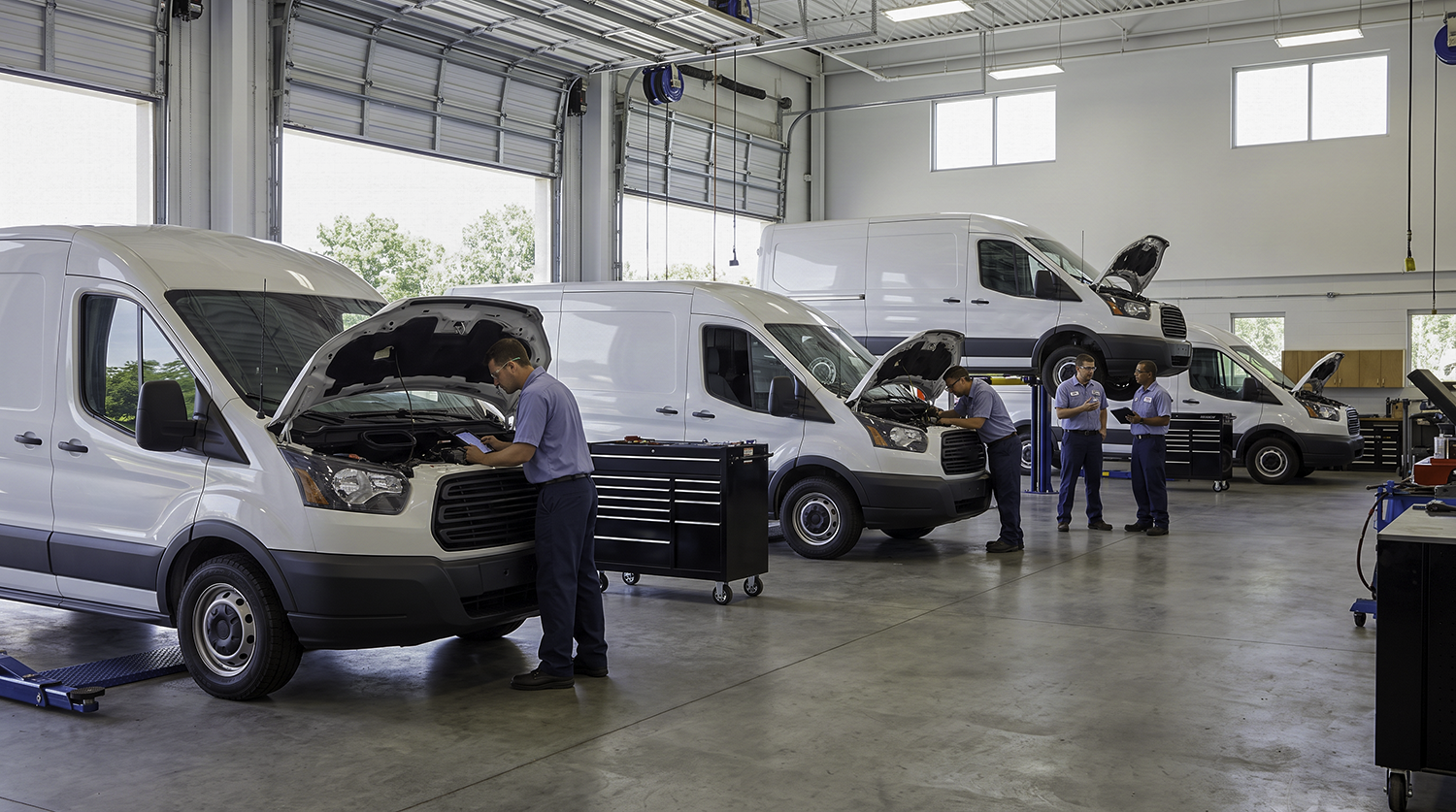
Fuel and maintenance are two of the largest ongoing expenses for any fleet. A fleet tracking system helps control both by providing visibility into how vehicles are being driven and maintained.
With access to detailed trip data, managers can identify inefficient routes, excessive idling, and unnecessary mileage. Addressing these issues helps reduce fuel consumption across the fleet. At the same time, vehicle health insights allow teams to stay ahead of maintenance needs by monitoring engine performance and diagnostic alerts. This proactive approach reduces breakdowns, extends vehicle lifespan, and helps avoid costly repairs caused by delayed servicing.
Improved Customer Communication and Service Transparency
In this era where customers can track packages from the warehouse to their front door, transparency is the norm. So, when a client calls your firm to ask when your technician will arrive, the old "sometime between 12 and 4" is no longer an acceptable answer.
With a fleet tracking system, you can provide accurate, real-time ETAs. This level of communication builds trust and professionalism, setting your company apart from competitors who are still providing estimates based on guesswork.
Who Benefits Most from a Fleet Tracking System?
One of the main reasons small service-based businesses don't consider vehicle tracking solutions is that telematics systems have long been associated with large enterprise fleets. But with the democratization of technology, small fleet management is now an affordable reality.
Here's a look at how various industries and applications can benefit from fleet visibility tools:
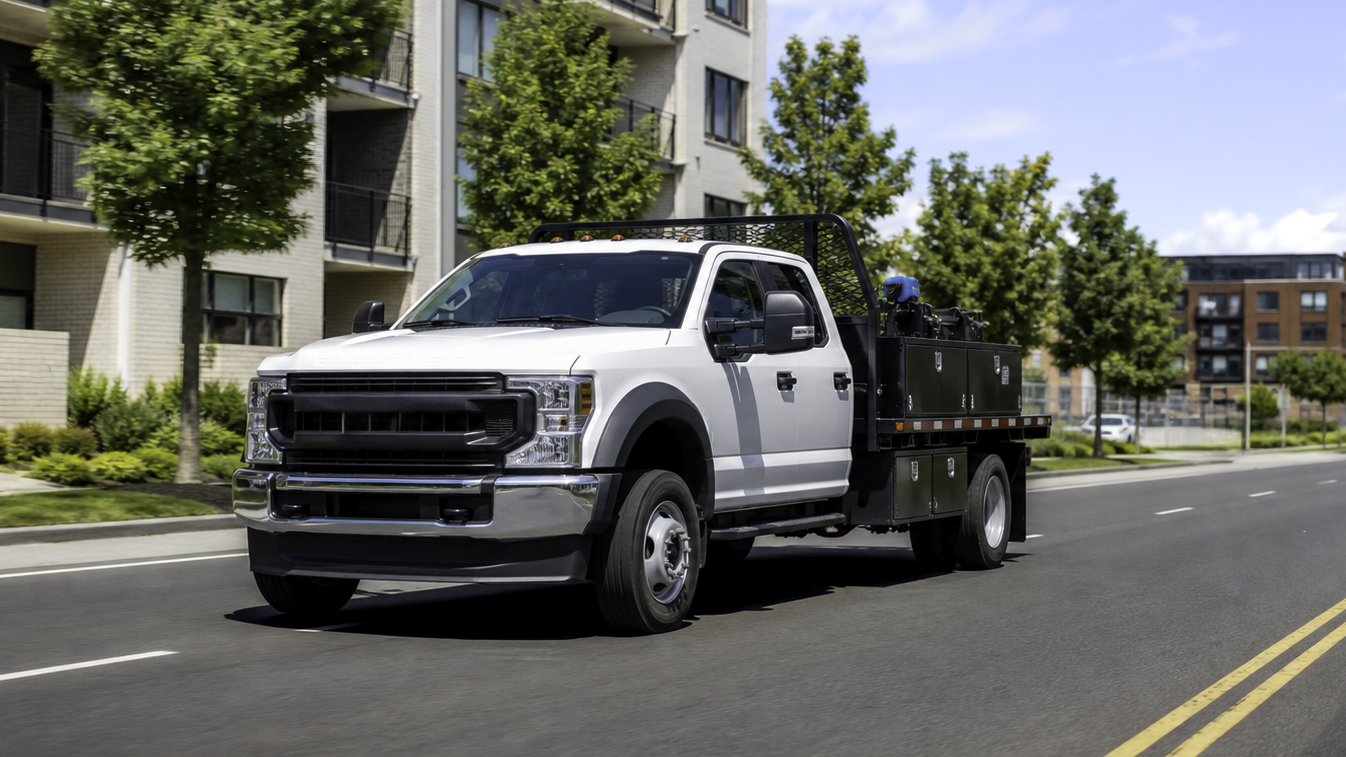
- Trade services: HVAC technicians, plumbers, electricians, and roofers. Knowing when techs arrive at job sites and optimizing travel between calls is critical for profitability.
- Landscaping and lawn care: Managing landscaping crews across multiple properties daily requires tight coordination to ensure routes are efficient and crews are on-site when scheduled.
- Delivery and courier services: In the age of eCommerce, customers expect accurate delivery windows. Real-time tracking is essential for meeting these expectations.
- Healthcare services: Home health aides and medical transport services rely on tracking to ensure patient safety, accurate scheduling, and compliance with Medicaid/Medicare reporting requirements.
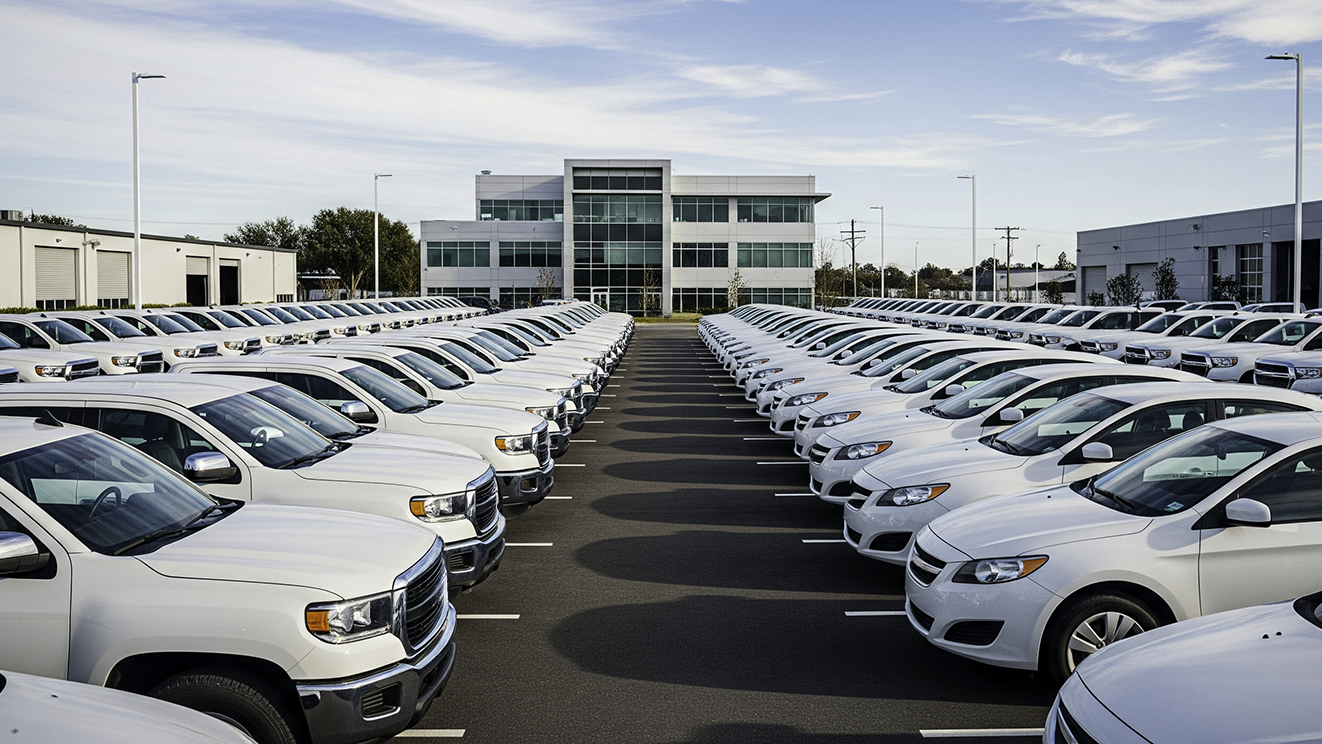
- Car rental and dealership loaners: Protecting inventory and ensuring vehicles remain within authorized areas is vital for these business models.
Why Fleet Tracking Adoption Is Accelerating
A decade ago, fleet tracking was something only large firms could afford. It was the domain of massive logistics companies and long-haul trucking firms with deep pockets. Now you are just as likely to find a fleet tracking system in a florist’s delivery van or a local plumber’s work truck. So what led to this shift in adoption?
This shift is the result of several industry developments that have made fleet tracking software more accessible to a wider range of businesses, including:
The plug-and-play revolution: In the past, installing a tracking system meant taking a vehicle off the road for hours and paying a technician to hardwire a device behind the dashboard. Modern systems that plug right into the OBD-II port (a standard in passenger vehicles since 1996) have removed this barrier. Devices can now be installed in seconds by anyone, democratizing access for small businesses with limited budgets and no dedicated IT department.
Changing customer expectations: Whether ordering a pizza or waiting for an HVAC technician, customers now expect transparency. Thanks to retail giants like Amazon and apps like Uber, consumers are accustomed to checking their phones for up-to-date information. Businesses that provide a live ETA can meet this demand, and fleet tracking systems are the best way to get the necessary real-time data.
Lower prices, faster ROI: As fleet tracking technology has improved, it’s also become more affordable. Beyond the lower prices, the cost-saving benefits of fleet tracking systems are undeniable. Better route planning, based on an analysis of past trip data, and reduced engine idling quickly add up to significant fuel savings. Add improved operational efficiency, and even small businesses can see a quick return on their investment in fleet tracking.
Insurance savings: Commercial auto insurance premiums continue to rise, and businesses of all types are looking for ways to control costs. Adopting a vehicle tracking solution not only helps recover stolen vehicles faster, but also provides the data needed to negotiate lower premiums by proving your fleet's safe driving record.
How a Modern Fleet Tracking System Works
While today's fleet tracking systems are sophisticated, the nuts and bolts of how they work are very easy to understand. It’s basically a four-step process:
- Installation and data collection: You start by installing the tracker in each vehicle. For OBD-II devices, this is a simple plug-and-play process. Hardwired trackers may require professional installation. Either way, the tracker uses a built-in GPS receiver to determine the vehicle’s exact position (latitude and longitude) from satellite signals. Simultaneously, it reads internal vehicle data, such as speed, fuel level, and engine health codes.
- Data transmission: Next, the tracker will connect to the same cellular networks your smartphone uses to transmit its collected data to a cloud-based server. This is why modern fleet tracking software works anywhere there is cell service, providing coverage across cities, highways, and rural areas.
- Data processing: Once the data arrives in the cloud, the server processes and analyzes it. The system checks the data against your settings: Is the vehicle inside a geofence? Is the speed higher than the posted limit? Is the engine coolant temperature too high? If so, it can fire off alerts to let you know.
- Data visualization: Finally, the processed information is pushed to your user interface, either a web portal on your office computer or a mobile app in your pocket. You see the vehicle move on a map in real time. This entire cycle, from the wheel turning on the road to the alert popping up on your phone, happens almost instantaneously.
Why Bouncie Is a Smart Fleet Tracking System for Small and Mid-Sized Businesses
Now you know how fleet tracking works. But when you hear the words “fleet management,” what do you picture? Is it still a control room with wall-to-wall monitors? Do you imagine technicians tearing apart your dashboards to install wiring? These and other complex, expensive scenarios are a thing of the past.
Regardless of your company’s size or how many vehicles you have, a fleet tracking system is within reach. You only have to choose the right vehicle tracking solution, one designed specifically for the agility and budget of small and mid-sized businesses. And that solution is Bouncie.
Here’s why Bouncie is the preferred choice for modern SMB fleets:
- Plug-and-go simplicity: Bouncie devices plug directly into your vehicle's OBD-II port. Installation takes seconds, not hours. There are no installation fees, no vehicle downtime, and you can easily move the device if you sell a truck or rotate your fleet.
- Real-time visibility: Bouncie updates your vehicle's location every 5 seconds while driving for true real-time tracking. This precision ensures you always know exactly where your assets are, allowing for accurate dispatching and undeniable proof of service.
- Comprehensive safety: Protect your team and your reputation. Bouncie automatically detects and records accident impacts, sending immediate alerts to fleet managers. Plus, with impact detection and driving behavior alerts, you can identify risky behaviors and coach your team to safety.
- Affordability and flexibility: Most enterprise fleet tracking software locks you into multi-year contracts with hidden fees. Bouncie offers a transparent, low-cost monthly subscription with no long-term commitment. You get unlimited data, unlimited users, and access to historical trip data, all while respecting your budget.
Fleet Tracking System FAQs
Have questions? Here are answers to common queries about fleet tracking systems:
How many vehicles can I track with a fleet tracking system?
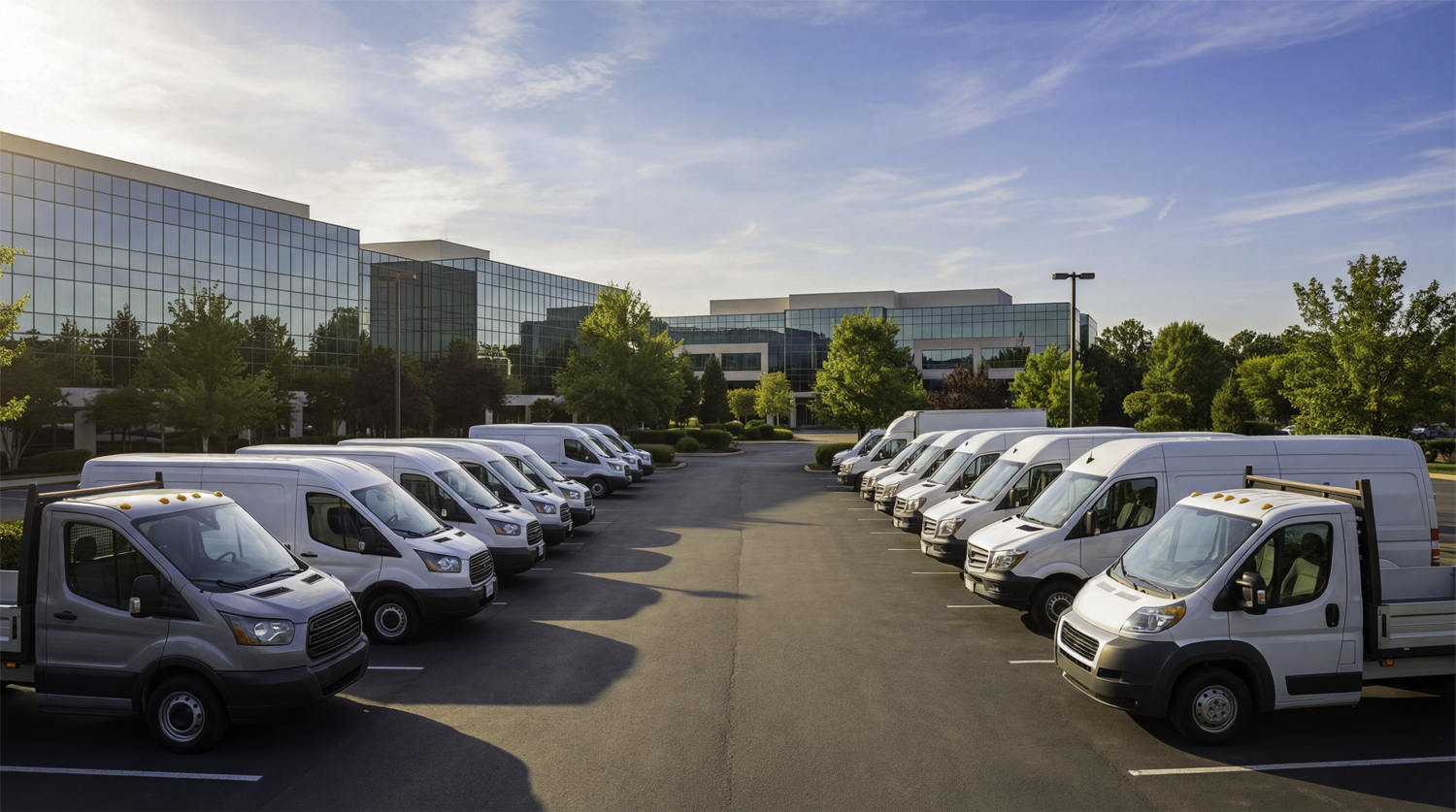
There is virtually no limit to the number of vehicles you can monitor. Whether you have one delivery van or a fleet of 50 service trucks, a scalable fleet tracking system like Bouncie allows you to view all your vehicles on a single map. You can group vehicles by region or team to keep your dashboard organized as your company grows.
What’s the difference between Bouncie and other fleet platforms?
The main difference is Bouncie’s simplicity and flexibility. Many fleet systems require hardwired installation, three-year contracts, and expensive leases. Bouncie simplifies processes while still delivering enterprise-grade data. It provides the same essential telemetry (location, vehicle health, driver behavior) without the high overhead associated with maintaining enterprise systems.
Can the system be integrated into dispatch or maintenance workflows?
Bouncie offers an open API and native integrations with enterprise apps like Fleetio and Zapier. These integrations allow Bouncie to connect with the software you already own and use. You can customize workflows across apps to optimize your business operations, making Bouncie an even more cost-effective solution.
Is the tracking still active when the engine is off?
In most cases, tracking remains active, but the device shifts into a lower-power reporting mode. When parked, the device typically enters a low-power sleep mode but still reports its location periodically. Bouncie, for example, will update its location less frequently while the vehicle is parked to ensure you always know where the asset is, without draining the vehicle battery.
Why Fleet Tracking Is a Competitive Edge
Fleet tracking is no longer a solution that only large enterprises can afford. The availability of fleet tracking systems for small businesses couldn’t come at a better time, as today’s customers reward reliability and speed.
The companies that thrive are the ones that can promise an accurate arrival time and stick to it. They are also the ones that keep their fuel costs low and their drivers safe, which are just some of the many benefits of a vehicle tracking solution.
If your company is ready to join the growing number of businesses adopting a fleet tracking system, learn more about Bouncie for fleets.