The Best GPS Trackers for Cars: 5 Features That Actually Matter
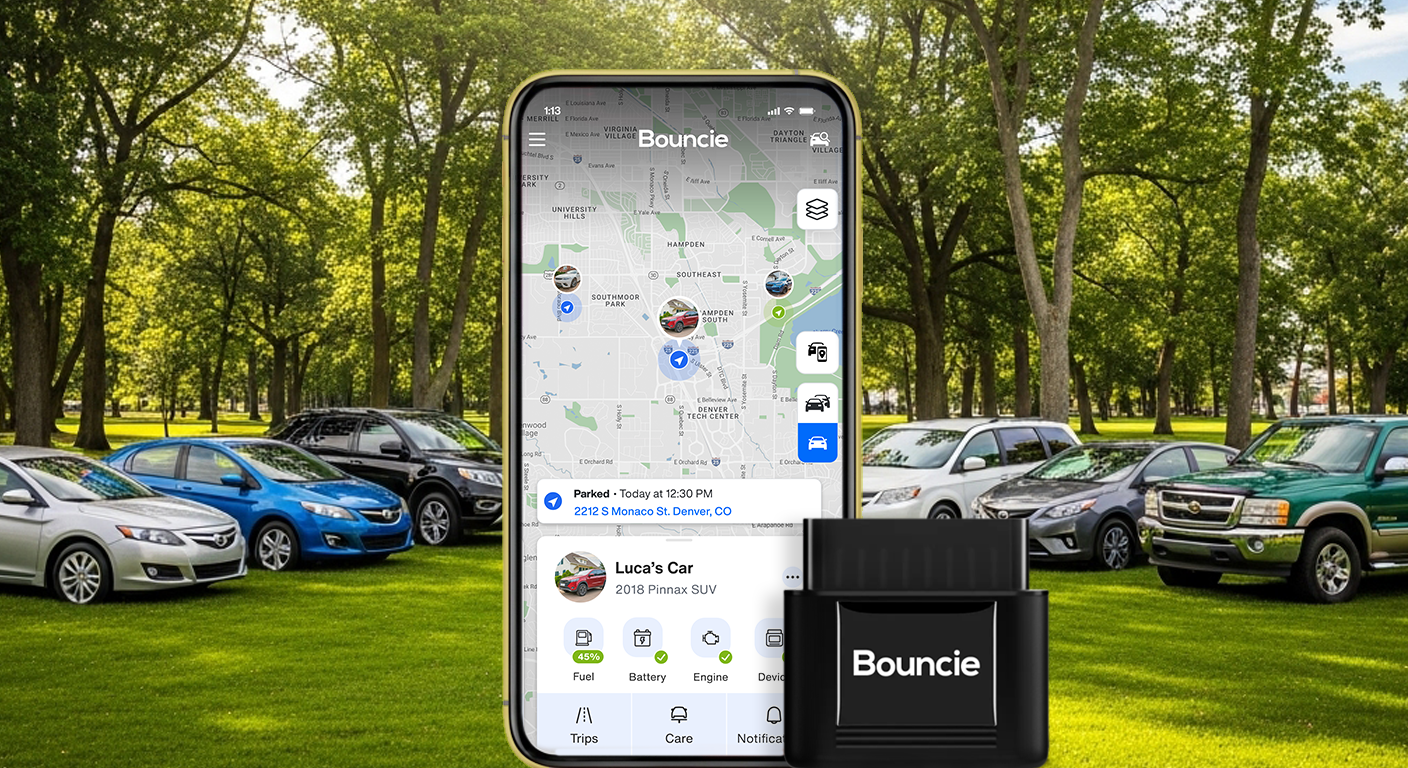
If you’ve entered the phrase “GPS tracker for car” into a search engine, you know the routine. You’re met with thousands of results, and narrowing down a list of the best trackers for cars seems impossible. To be sure, the market is crowded. There are many devices, ranging from those offering simple location pins on a map to complex systems with extensive feature lists. They all promise to meet your needs, but will they really?
To answer that question, we must ask another: what are your needs? You might be the parent of a new teen driver, a commuter concerned about vehicle theft, or a used car owner looking to stay ahead of maintenance issues. Discovering the best tracker for you isn’t about finding one with the most features. It’s about finding the one with the car tracking features that matter to you. These traits are what separate the best trackers for cars from the rest of the market.
Whether you need real-time vehicle tracking or vehicle health diagnostics, the top car trackers all share some common traits. Below, we’ll discuss the five essential features to look for, cutting through the noise of car GPS comparison to help you find the solution that delivers real value. Forget the mountain of search results for the best GPS trackers for cars. Here are five features that actually matter.
What Makes a GPS Tracker “The Best”?
Before diving into the list of five features, some definitions are in order.
First, when we talk about the best trackers for cars, we picture something very specific. It is a comprehensive, reliable tool that gives you actionable insights with minimal effort on your part. This set of criteria helps consumers quickly identify the best trackers for cars without getting overwhelmed by long feature lists.
To qualify as “the best” in a car GPS comparison, a device must have:
- Ease of use: You should be able to install it in minutes without a mechanic, and the app should be simple to navigate.
- Dependability: It should have a constant power source so you are not swapping batteries in the cold, and the connection should not drop.
- Real insight: It should not just show you where the car is. It should also tell you how it is being driven and whether the engine has a problem.
Types of Trackers
Next, it’s important to know about the different types of trackers, as each offers its own advantages. Here are the three main tracker types:
- OBD-II port trackers: These compact devices plug directly into your car’s On Board Diagnostics port (OBD-II), which is standard on all vehicles built since 1996. They are easy to install and are powered by the car’s electrical system, so no batteries are required. They can also tap into the car’s onboard computer and read vehicle health data.
- Battery-powered trackers: Small and self-contained, these trackers offer maximum placement flexibility. You can install them in a glove box, under a seat, in the trunk, or anywhere else they fit. However, battery-powered trackers must be removed and recharged regularly, and can’t access vehicle health data.
- Hardwired trackers: By connecting directly to a vehicle’s electrical system, hardwired trackers eliminate the need for batteries. They also offer very discreet placement, but typically require a costly professional installation, and they can’t be easily moved like other options.
Understanding the differences between these device types is essential when comparing the best trackers for cars and deciding which one is right for your needs.
A Simple Formula
With these technical details out of the way, you have the context required to find the best trackers for cars. The only other thing to know is this formula.
Real-time tracking + smart features = long-term value.
Now, let’s show the proof for this formula by detailing the five features you will find in all the top car trackers.
Feature #1: Real-Time Tracking & Location Accuracy
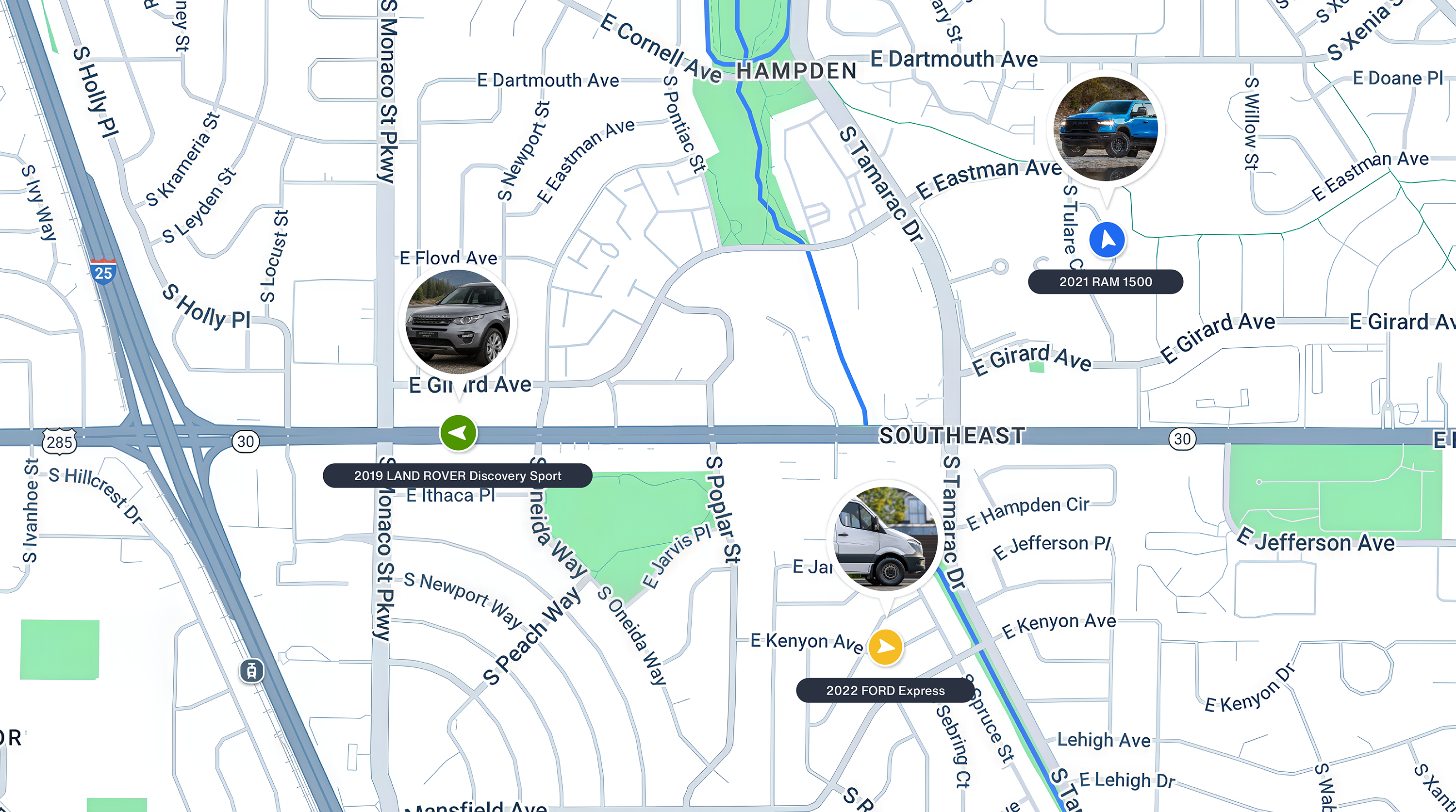
One thing you expect from a GPS tracker for car use is the ability to show you the vehicle’s location. While it is true that most trackers can provide this data, the real question is when they can get it to you.
Some battery-powered trackers don’t transmit data in real time. You have to remove them from the car, plug them into a computer, and download the data. And some other devices that claim to provide real-time vehicle tracking only update once every five minutes or more. This slow refresh rate means the location dot you see on the digital map is already old news.
Why Faster Refresh Rates Matter
True real-time tracking means the device sends location updates every few seconds. This pinpoint accuracy is critical in a number of situations:
- Vehicle theft: If your car is stolen, you can provide law enforcement with its exact, up-to-the-minute location, not where it was five minutes ago.
- Teen drivers: Parents can see precisely where their new driver is or ensure they arrived safely at school or a friend’s house.
- Handing over your keys: Do you need to give your car keys to a valet or a mechanic? Real-time vehicle tracking ensures your car stays put and is not out for an unauthorized drive.
These are the reasons why, when it comes to real-time tracking and location accuracy, faster refresh rates matter so much. The best trackers for cars use a combination of GPS satellite communication and reliable cellular networks to transmit their location data.
Feature #2: Driving Behavior Monitoring
For many vehicle owners, it’s not enough to know where their car is in real time. They also need to understand how the vehicle is being driven. That’s why the best trackers for cars provide insights into driving behavior.
Indeed, only the top trackers offer driving behavior monitoring features. The tracker sends alerts to its companion app, and those alerts appear as notifications on your phone. This means you can receive real-time notifications for driving events, such as hard braking, rapid acceleration, speeding, or excessive idle time.
These insights are invaluable for parents of teens who are new to driving. You can use these alerts as a coaching tool to encourage safer driving practices. Safety guidelines from federal traffic authorities state that real-time location awareness can significantly support teen driving safety and supervision.
Even for your own personal accountability, seeing a breakdown of your driving habits can help you become safer behind the wheel. Plus, better driving habits ultimately save you money on gas and future repairs.
Feature #3: Vehicle Health and Diagnostics
Cars require a significant investment, and they’re often central to our daily lives. Yet how much do you really know about what goes on under the hood?
To help with that, the best trackers for cars can tap into vehicle health information through the onboard computer. Specifically, OBD-II trackers have a direct line to this data, empowering them to:
- Monitor engine health: OBD-II port trackers can keep an eye on your car’s systems and send notifications with detailed problem reports.
- Read diagnostic trouble codes (DTCs): The top car trackers can read DTCs and translate them into plain English so that you know exactly what is wrong and can fix it before bigger problems occur.
- Monitor battery voltage: An OBD-II tracker can notify you if your car's battery voltage drops to a critical level. This gives you time to replace the battery before you end up stranded.
As you can imagine, the ability to read vehicle health and diagnostics data is a universally valuable feature. For parents, it ensures their teen’s car is reliable. And for any driver, it helps prevent expensive repairs and enables you to plan proactive maintenance that fits into your schedule. This level of diagnostic visibility is a major reason OBD-II devices remain top contenders among the best trackers for cars.
Feature #4: Alerts and Custom Notifications
As the last two features show, alerts and notifications are the premier features in the best trackers for cars. It’s one thing to collect data, and the ability to collect it in real time is something else entirely. But best of all are the instant alerts that ensure you are always aware of critical events.
Top-of-the-line trackers even allow you to create custom alerts based on specific situations. For example, a feature known as geofencing allows you to draw a virtual boundary on a digital map. You can then get instant alerts when your car enters or leaves this area. So, you might get an alert when your car leaves the house, or your teen’s car arrives at school. With geofencing, the possibilities for custom alerts are almost endless.
Some trackers even support movement alerts. Say you’re worried about vehicle theft or towing. A movement alert can notify you when your car moves without the ignition on. There are also tampering alerts, which can send an immediate notification when the tracker is unplugged from the OBD-II port. Impact detection works much the same way, notifying you in the unfortunate event of an accident.
Feature #5: App Ease-of-Use and Data Accessibility
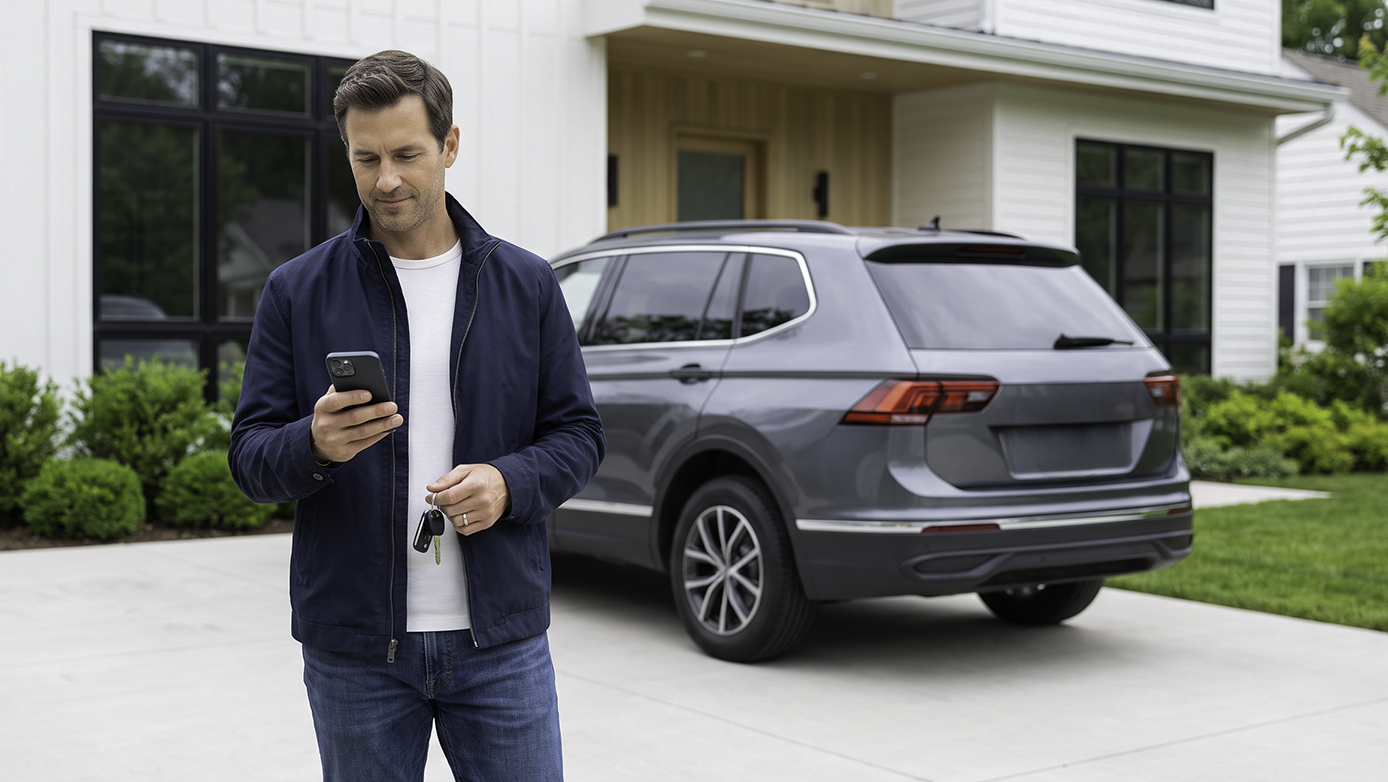
The real value of a GPS tracker for car use is not found in the device’s hardware. Instead, it’s in its companion app. You can have a technical marvel of a tracker, but a slow or confusing app will make even the most advanced hardware frustrating to use.
So, when you are doing a car GPS comparison, do not just look at the device. Look at the app as well. It should be intuitive to use, providing immediate access to the information you need. The app should be full featured too, giving you complete access to all of the essential car tracking features without hassle. For example, the app should make it easy to:
- View trip history: Look back at previous trips, complete with routes, start/end times, and driving behavior events. This is perfect for logging business mileage or reviewing a trip with your teen driver.
- Export data: The ability to export trip data is a significant advantage for expense reporting and record-keeping.
- Manage multiple vehicles: If you have more than one car (for your family or a small business), the app should allow you to view all your vehicles on a single map and easily switch between them.
Finally, do not overlook what is behind the app. Good customer support and clear documentation are both part of the experience. Of course, the best trackers for cars and their apps are so rock-solid and easy to use that you rarely need to reach out to the support team.
Why Bouncie Stands out Among the Best GPS Trackers
As you do your car GPS comparison, it soon becomes clear that many trackers offer three out of the five features that really matter. Some high-quality models will have four out of five. But one tracker stands out among the rest, and that’s Bouncie.
Designed to cover all five must-have features in one affordable and easy-to-use product, Bouncie is:
- A true all-in-one solution: Bouncie delivers on all five points. It provides precise real time vehicle tracking, in depth driving behavior monitoring, critical vehicle health diagnostics, instant custom alerts with Geo-Zones, and an intuitive mobile app that prioritizes data accessibility.
- Always on, with no charging required: As an OBD-II device, Bouncie plugs directly into a standard port in just seconds. It’s powered by your vehicle, so you never have to worry about charging or the battery dying when you need it most.
- Simple for everyone: Bouncie is designed for everyday drivers, parents, families, and anyone else. Installation is quick and easy, and the app is both powerful and simple to use, regardless of your technical proficiency.
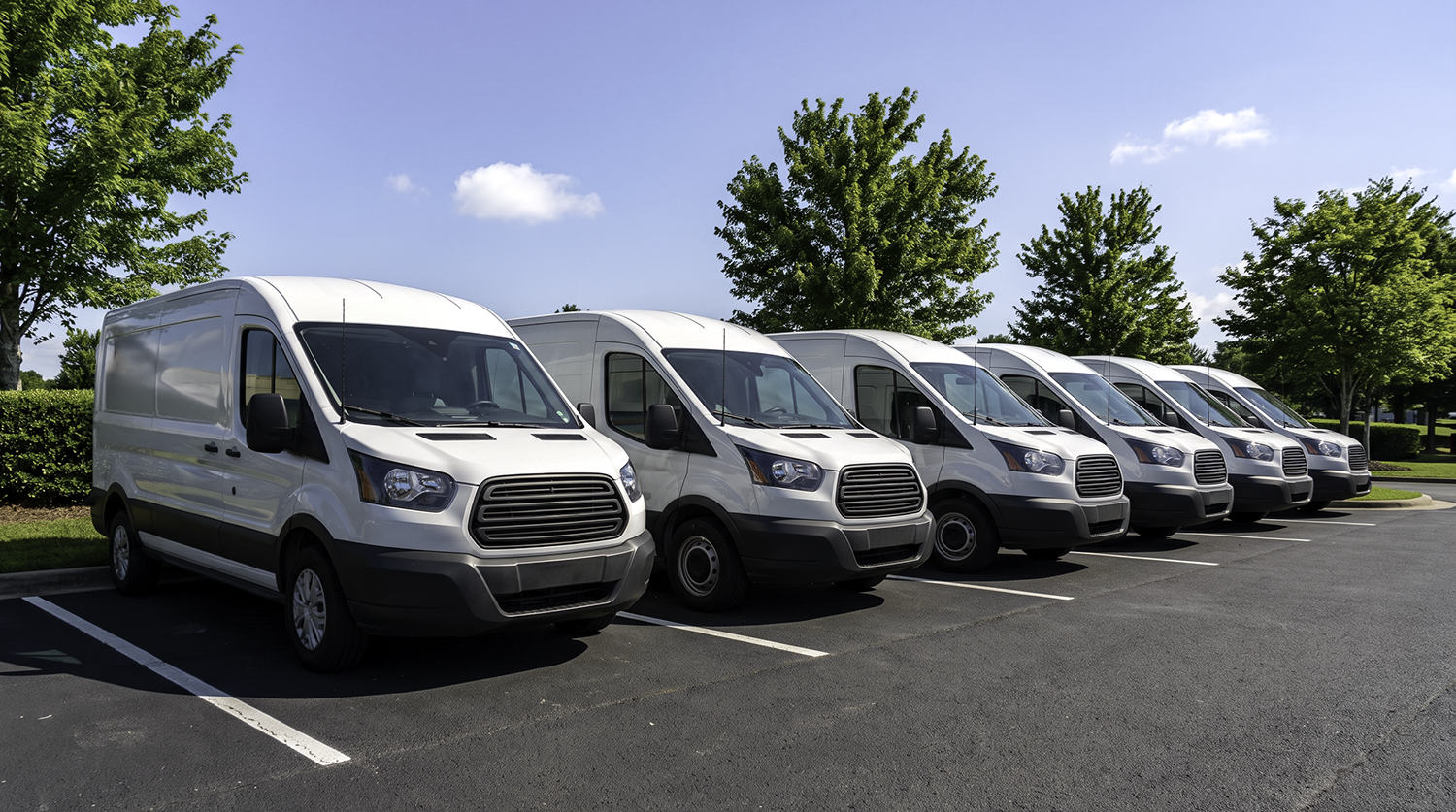
- Scalable: While Bouncie is perfect for protecting a single-family car, it can also easily scale to manage a growing small business fleet, all from the same simple app.
In short, Bouncie combines the most important car tracking features into a single solution, placing it at the top of the list of the best trackers for cars on the market today.
Choose a Tracker That Does More Than Track
It’s easy to find a GPS device that can track your car’s location. However, the best trackers for cars are those that combine all must-have features into one package. By focusing on these five features, you can confidently identify the best trackers for cars that match your needs.
As you do a car GPS comparison, you will find many trackers that offer real-time tracking and location accuracy. Customizable alerts and notifications are standard features in a lot of high-end models. However, only OBD-II port trackers can provide vehicle health and diagnostics alerts, and not all models offer driving behavior monitoring. Unfortunately, very few offer a truly great app experience.
Bouncie is the only car GPS tracker that offers all five essential features in one easy-to-use solution. Whether you need to protect your family, coach a new driver, or manage your vehicle’s health, Bouncie offers an affordable and scalable package. To find the right fit for you, explore how Bouncie compares to other GPS trackers.