Fleet GPS Tracking: How It Works and Why Every Business Needs It
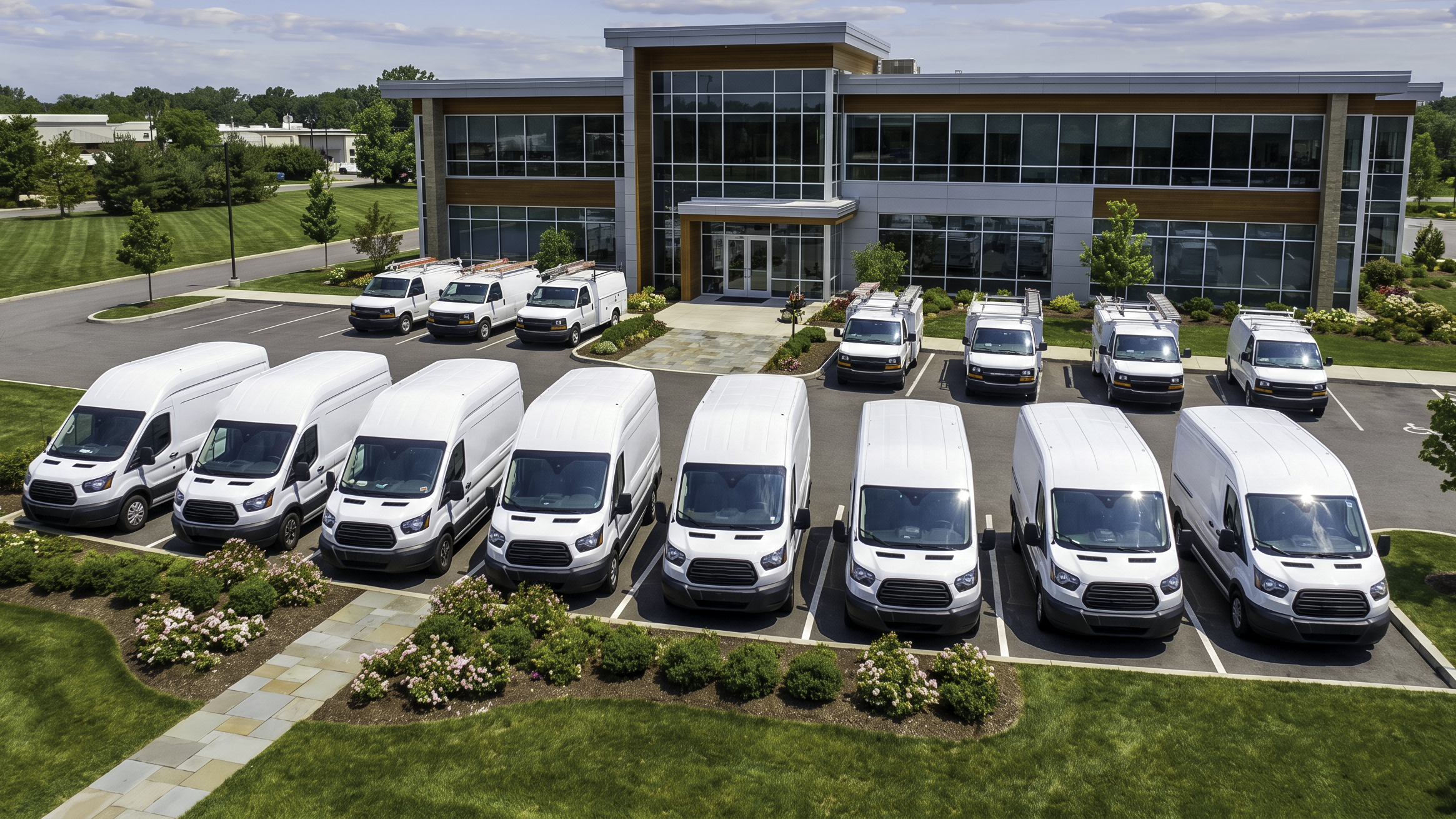
Imagine running a business where your most valuable assets, the ones you depend on to generate revenue, disappear from your parking lot on a daily basis.
For many operations leaders and business owners, this isn't a hypothetical scenario. It's their daily reality because vehicles are central to their operations. Maybe they run a plumbing business or a last-mile delivery service. They might have a small fleet dedicated to car-sharing platforms. In any case, when these vehicles leave their sight, they lose visibility over them, at least in the physical sense.
If they have a fleet GPS tracking solution, they can maintain visibility in all the ways that matter. They can see where their assets are at any given moment. They can review trip histories to see where they've been. They can get alerts when the Check Engine light comes on. But what happens if they don't have a fleet GPS tracking system?
How Does GPS Fleet Tracking Work: Going Without a Fleet Tracking System
Instead of directing the flow of the workday, dispatchers and managers without GPS fleet tracking find themselves constantly playing catch-up. GPS fleet tracking works by using a hardware GPS tracker installed in each vehicle to collect location data from satellites, send it over cellular networks to a cloud server, and display it in software dashboards or mobile apps so you can monitor vehicles in real time.
Without that visibility, teams rely on phone calls, text messages, and guesswork to locate drivers, which leads to delays, wasted fuel, and customer service problems. Today's customers are used to the modern, on-demand economy enabled by apps and other online services. No matter how big or small, businesses are expected to match the response times and highly accurate arrival updates offered by big players like Amazon or UPS.
For small to mid-sized business owners, fleet managers, and dispatchers running vehicle fleets, the challenge is finding a system that improves tracking and driver oversight without enterprise-level cost or complexity. This guide explains the technology behind fleet GPS tracking, the problems it solves, the core features to look for, the benefits for growing businesses, and how to choose the right solution.
What Fleet GPS Tracking Actually Is
Fleet GPS tracking is a combined hardware and software solution that gives businesses continuous, real-time visibility into where their vehicles are and how they are being driven. Part of the reason a small or mid-sized business owner may think they can't afford one is the belief that these systems are inherently complex. In reality, they are much simpler than most expect.
Instead of losing visibility when vehicles leave your sight, a GPS fleet tracking solution digitally tracks your vehicles' movements and offers other critical fleet management features.
On the hardware side, there are GPS trackers that you install in your vehicles. By using the constellation of Global Positioning System (GPS) satellites, the trackers collect real-time location data. Modern trackers can also monitor critical metrics such as a vehicle's speed and engine health.
The device component of GPS fleet tracking systems transmits the data it collects to the software side. This is often a centralized cloud server. There, the data is collated and analyzed, then presented in user-friendly dashboards via mobile apps that your team can access from anywhere.
Managers, dispatchers, and owners can continuously monitor vehicle movement, individual trips, and the overall fleet from the app. Rather than maintaining an ever-growing spreadsheet or a marked-up whiteboard as in the old days, operations leaders can now see their entire business in real time, making split-second adjustments as the day unfolds.
Real-time tracking provides continuous, up-to-the-minute location updates, ideal when you want to respond to events as they unfold, reroute on the fly, dispatch to emergencies, and monitor driver behavior. Passive tracking instead stores location data on the device and downloads it later when the vehicle returns or connects to a computer, which suits businesses that mainly want historical data for route optimization, mileage tracking, and driver performance reviews. Most fleets that need to act on what's happening choose real-time tracking, which is what the rest of this guide assumes. Still deciding between simple tracking and a broader platform? See GPS tracking vs. a fleet management system.
How Fleet GPS Tracking Works Behind the Scenes
With the best fleet tracking systems, the software's user interface is intuitive and user-friendly. The developers often strive to create apps and dashboards that require no detailed instruction manuals. The hope is that end users can figure everything out by tapping or clicking around. Despite this simplicity on the front end, the GPS technology powering the system behind the scenes is often remarkably sophisticated.
Behind the scenes, everything begins thousands of miles above the Earth, where the global navigation satellite system relies on over 30 satellites in orbit. The GPS satellites continuously broadcast their positions and timing data, and a gps receiver in the tracking device uses satellite signals from multiple satellites with a mathematical process called trilateration to determine location, speed, and direction. Ground control stations help keep that timing and positioning accurate and reliable.
For gps fleet tracking work to happen, this data reaches the cloud through satellite navigation, internet-connected hardware in the vehicle, and cellular networks. Just like your smartphone uses mobile networks to stream data, the vehicle tracker uses cellular data networks to transmit its coordinates to a cloud server. Because modern cellular coverage is vast and reliable, these data packets can be sent and received almost instantaneously.
The platform then receives this raw data. Before presenting it to the end user, it processes the data so it can be displayed clearly on a dashboard. From there, you can expect to see real-time location updates on a digital map that reflects the vehicle's route, along with customer stops or traffic delays. In short, GPS tracker work and fleet tracking work come down to four steps. Satellites pinpoint the vehicle, the tracker calculates its location, a cellular network sends that data to the cloud, and the software turns it into a live map you can act on.
The Operational Problems Fleet GPS Tracking Solves
Businesses don't adopt new technology just because it's interesting. They adopt fleet GPS tracking to solve specific, costly problems. The four it addresses most directly are limited visibility into vehicle activity, inefficient dispatching and routing that reduce travel time, lower fuel consumption, and cut vehicle wear-and-tear, wasted fuel from idling and unnecessary mileage, and the inability to verify completed work.
For example, in delivery companies and service fleets, the daily grind of managing a mobile workforce can be a bottleneck to overall growth, which is why businesses use fleet vehicle tracking for efficiency and safety. The most pressing issue is the classic limited visibility into vehicle activity. This inevitably leads to inefficient dispatching and job routing. Drivers may inadvertently cross paths, take highly congested routes, or double back on territory they just covered, wasting valuable time. These are the types of problems GPS fleet tracking was meant to address.
Another common problem businesses face is overspending on fuel, much of which is often wasted. Excessive idling and unnecessary mileage add up, but they're hard to track if you don't have the constant oversight offered by fleet GPS tracking. Drivers might leave engines running while parked or take long detours. Driver behavior monitoring also supports driver safety by tracking speeding and harsh driving, and GPS tracking can reduce speeding events by 48.6%, which also improves road safety across your fleet. And then there's the persistent difficulty of verifying completed work. If a customer says a tech never arrived or arrived late, the business has no empirical data to either confirm or refute the claim.
Imagine an urgent plumbing emergency is called in. Without tracking, a dispatcher has to call three different technicians to find out who is closest. With real-time tracking, the dispatcher simply looks at the live map, instantly identifies the nearest available van, assigns the job directly, and accurately tells the customer that help will arrive in precisely twelve minutes.
Common Fleet Tracking Use Cases
Fleet tracking pays off differently depending on the work. Here's how three common types of operation put it to use:
Service-Based Businesses
For service businesses like HVAC, plumbing, electrical, and landscaping, reputation rides on timeliness and accurate billing. A live map lets dispatchers send the nearest technician to an emergency and give customers precise arrival windows, while geofencing and trip histories create an automatic, timestamped log of arrival and departure times that settles billing disputes and keeps payroll accurate.
Delivery Companies
For local delivery, last-mile logistics, and courier services, on-time performance is everything, and inefficient routes or unauthorized side trips quietly drain fuel. Real-time visibility and route history let managers keep drivers on the most efficient routes, coach the patterns that waste fuel, and anticipate delays so they can update customers before a delivery runs late.
Municipal and Government Fleets
Public fleets answer to taxpayers, so managers must confirm vehicles are used only for official business and that routes like snowplowing or street sweeping actually get completed. Path history verifies that every assigned area was serviced on schedule, and managers can locate any vehicle or piece of equipment quickly for better resource allocation.
What Features Actually Matter in a Fleet GPS Tracking System?
While it's important to know which problems you want to solve, and which features can help, a common mistake is making your purchase decision based on features alone. Many real-time fleet tracking systems boast a long list of features, but how many of them do you actually need?
The features that actually matter in a fleet GPS tracking system come down to four essentials:
- Real-time tracking and trip history: Know where your vehicles are right now and where they were at 2 PM yesterday.
- Idle time and driver behavior reporting: Review events like harsh braking, rapid acceleration, speeding, and idling so you can correct the habits that waste fuel and add wear to your vehicles. Good fleet management software can also analyze this information and generate reports for operational insights, while telematics data can integrate with vehicle diagnostics to add performance details.
- Customizable alerts and Geo-Zones: Set virtual perimeters on a digital map and get an automatic notification when a vehicle leaves a designated work area, operates outside authorized hours, or needs attention for speeding, unauthorized vehicle use, or maintenance needs that alert fleet managers quickly.
- An intuitive mobile app: Give on-the-move managers immediate answers from anywhere, without the complexity that leads teams to abandon a system.
Why Small and Mid-Sized Fleets Are Adopting GPS Faster Than Ever
Comprehensive fleet management GPS solutions were once considered enterprise-grade technologies. They were often affordable only to massive corporations with vast technology budgets. However, recent industry trends show a massive surge in adoption among small to mid-sized businesses because the benefits of GPS fleet tracking now extend to lower fuel costs, better driver safety, and automated maintenance across daily fleet operations.
This shift toward SMBs is due in large part to the technology becoming vastly more affordable and much easier to deploy. The hardware is often plug-and-play, and the software is typically hosted in the cloud, removing the need for massive upfront capital investments or dedicated IT staff.
At the same time, SMBs are feeling the pressure of a tightening economy. Businesses need to squeeze more productivity and visibility out of fewer resources. They simply cannot afford the fuel waste and operational inefficiencies of the past, and companies using GPS tracking report a 15.9% reduction in idling time for added cost savings. A fleet tracking system provides the fastest route to fuel savings. Tracking data also surfaces underused vehicles and other hidden efficiency leaks, so you can reallocate or right-size the fleet you already own rather than paying to run assets that aren't earning.
Increased customer expectations have also helped drive the adoption of fleet management GPS solutions. Whether delivering a package or fixing a roof, customers expect fast communication, precise ETAs, and ultimate accountability. To compete, smaller service teams are adopting this technology to operate with the same visibility and professionalism as their national competitors. It also simplifies reporting for audits and tax filings while helping fleets manage strict driver-hours rules and emissions standards. In short, fleet GPS tracking is no longer an enterprise luxury. It is now an affordable, standard tool that small fleets use to keep pace with much larger operations
Compliance and Risk Management
The transportation, logistics, and construction industries are known for having large vehicle fleets. They’re also some of the most heavily regulated sectors, and GPS tracking for fleets can help here, too. For example, driver hours and vehicle maintenance regulations require accurate and detailed reports for proof of compliance. GPS tracking systems can help automate the collection and reporting of this data, using information recorded while vehicles are on and off the road.
Proof of Vehicle Location
Beyond day-to-day operations, that same location history becomes a formal record when it counts. In a billing dispute, an insurance claim, or a legal proceeding, timestamped GPS data is an objective account of where a vehicle was and when, which holds up far better than memory or handwritten logs. Regulated industries can also lean on it as an audit trail for driver-hours and maintenance reporting, turning compliance from a paperwork scramble into a byproduct of normal operations.
Liability Protection in Accident Investigations
Accidents involving company vehicles are an unfortunate reality in fleet management. GPS tracking data can provide the needed evidence for investigations. In this way, you can look at GPS tracking in fleet management as liability protection in these investigations, as data such as vehicle speed, direction, and location at the time of the incident can help determine the cause of the accident and what actually happened.
Picking the Right Fleet GPS Tracking Solution For Your Business
With so many options available, selecting the proper system can feel daunting. However, approaching the buying process strategically will save you from costly missteps.
Evaluating your options begins with internal reflection. You must first identify the biggest operational problem you are trying to solve. Are you trying to reduce fuel costs? Improve dispatch times? Stop unauthorized vehicle use? Your primary goal will dictate the features you need.
Perhaps one of the more important considerations, but one that is often overlooked, is the installation process for each GPS tracker. Look for systems that offer a simple installation process, since devices may be hard-wired, plug-in, or battery-operated. OBD-II plug-in trackers typically offer the easiest experience, since you just plug the tracker into the port that has been standard on all vehicles manufactured since 1996, and they suit almost any car or light truck. Hardwired units make more sense for large enterprise fleets that need to power extra accessories, or for heavy equipment that has no OBD-II port. And while most trackers transmit over cellular networks, fleets working in remote areas with limited coverage, think mining, forestry, or oil and gas, may need satellite-based trackers, which cost more but work almost anywhere.
When it comes time to start thinking about deploying the system, don't rush into your implementation. It's often best to start with a pilot group so you can gather feedback and make adjustments before rolling the system out company-wide. Pilot programs also help you get a better idea of how many tracking devices you truly need, what it's like to scale the system up or down as needed, and how the management system can support preventive maintenance using the mileage or engine hours the trackers capture.
How Bouncie Delivers Real-Time GPS Tracking Without the Complexity
When it comes to reliable, powerful tracking without the high price or complexity of enterprise systems, many SMBs find Bouncie to be the ideal solution. From its simple plug-and-play installation process to its affordable monthly service plans, Bouncie cuts through the enterprise bloat and delivers only what you need to transform your business.
With Bouncie, you get reliable real-time GPS tracking and continuous visibility. Instead of complicated software that requires an IT team to run and maintain, you can do everything in the simple yet powerful Bouncie app.
A long way beyond the old "dots on a map," Bouncie's optimized feature set supports fleet management with real-time alerts, driver safety insights, and maintenance-related vehicle health data across fleet vehicles, helping lower fuel costs, improve driver safety, and automate maintenance. Whether you are managing a small local service team or a rapidly growing regional fleet, Bouncie scales with your operational needs.
Fleet GPS Tracking FAQs
If you're just starting to consider fleet GPS tracking for your business, here are answers to common questions:
What is fleet GPS tracking?
Fleet GPS tracking is a system of hardware devices and modern software that uses GPS data from vehicles, allowing fleet managers to monitor vehicle locations, usage, and schedules across the entire fleet. While features vary, most systems provide real-time location tracking, vehicle health alerts, and driver behavior monitoring.
How accurate is fleet GPS tracking?
Modern fleet GPS tracking is highly accurate, with accurate data coming from real time GPS data processed from the tracker and typically pinpointing a vehicle's location to within about 16 feet under open sky, with the same feed also supporting traffic data overlays for route decisions. That accuracy depends on the tracker receiving signals from the global navigation satellite system before sending updates over cellular networks every 5 seconds, giving managers dependable operational visibility.
Can small businesses benefit from fleet tracking?
Yes, and they may benefit more than larger companies. That's because small businesses often see a faster ROI through reduced fuel costs, increased operational efficiency, and improved customer service through more accurate delivery estimates and real-time updates, which can boost customer satisfaction and trust.
Fleet GPS Tracking, Now Available to Every Business
A lack of operational visibility plagues many small and mid-sized businesses. When vehicles leave their parking lots, owners lose sight of them entirely. But now that fleet GPS tracking systems have become more affordable and accessible, real-time visibility is available to every business.
And the technology keeps advancing. AI and machine learning are beginning to forecast maintenance and refine routes before problems surface, and a look at where telematics goes next points to even more automation ahead, so the visibility you gain today is only the starting point.
The days of guessing where your drivers are and hoping for the best are over. To learn more, check out Bouncie for Fleets today.